Design · 4 min read
Facing Fence Boarding Correctly Along Neighbor Lines
Published 16 October 2026
Placing the finished side of a fence toward adjacent properties avoids neighbor disputes and aligns with common residential layout standards.
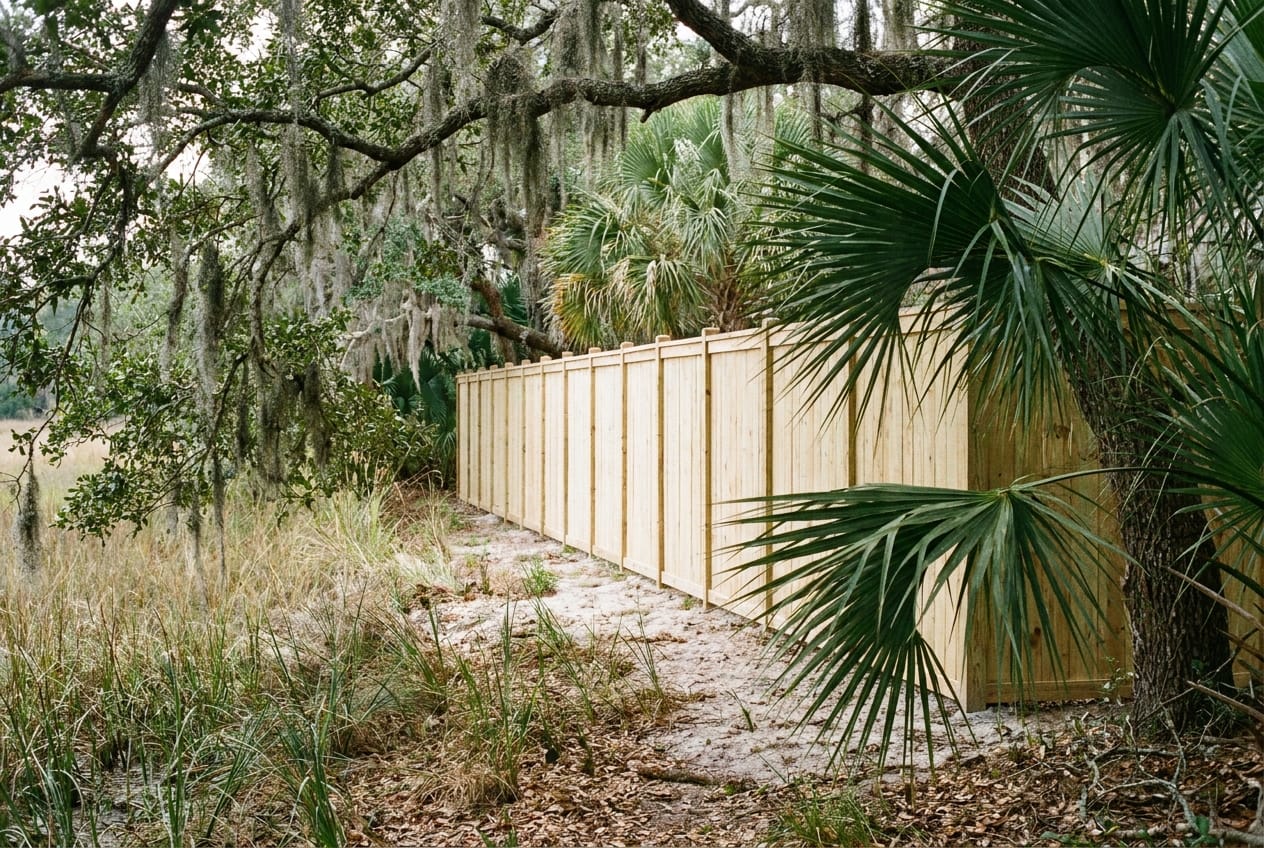
Building a fence along a shared boundary line requires careful planning to prevent disagreements with neighbors and avoid costly rebuilds. In standard wood and vinyl privacy fencing, one side displays smooth pickets while the other reveals structural posts and horizontal runner rails. The pickets are universally considered the finished or "good" side, while the exposed framing is referred to as the structural side.
Deciding which direction the finished face should point involves a mix of property etiquette, municipal standards, and design choices. Standard practice across most residential areas dictates facing the finished side outward toward adjacent properties and the street, leaving the structural posts facing inward toward your own yard.
Understanding the Good Side of a Fence
The concept of a good side comes down to construction mechanics. A basic wood privacy fence consists of vertical posts set into the ground, horizontal rails spanning between those posts, and vertical pickets attached to the rails. The side with pickets attached creates a continuous, flat wooden surface. The opposite side leaves the posts and rails fully exposed.
Facing the smooth side outward is primarily an aesthetic courtesy to neighbors and passing traffic. It creates a clean perimeter around your property line. Facing the framing inward gives you direct access to the structural components, which makes long-term board replacement and general maintenance simpler over time.
Local Codes, HOA Covenants, and Property Lines
Before buying materials or setting posts, check the specific rules for your municipality and neighborhood. Rules governing fence orientation, height limits, setbacks, and permits vary significantly depending on whether you live in Charleston, Mount Pleasant, Summerville, Moncks Corner, or unincorporated Berkeley or Dorchester counties.
Many local building codes and Homeowners Association (HOA) covenants mandate that the finished side of any fence face outward toward neighboring properties and public rights-of-way. Some HOAs strictly enforce this requirement and will issue fines or require total reinstallation if a fence is built inside out.
Accurate property lines are critical when planning your layout. Never guess where a boundary lies based on grass lines, trees, or existing landscape beds.
- Commission a professional boundary survey to locate iron property pins at your lot corners.
- Mark the exact line between pins with a taut string line before digging post holes.
- Keep all posts, footings, and pickets entirely on your side of the boundary line unless you have a written, recorded shared-boundary agreement with your neighbor.
Setback requirements also vary by jurisdiction. Some municipalities allow fences directly on the property line, while others require a setback of several inches or feet. Setting the fence slightly inside your property line allows you to maintain the exterior face without stepping onto your neighbor's property.
Communicating with Your Neighbors
Clear communication prevents unexpected friction. Even if you plan to pay for the entire fence and face the finished side toward their yard, giving your neighbor advance notice is good practice.
Talk through the project before construction begins. Let them know the timeline, the chosen materials, the exact layout along the property line, and where the finished side will face. If you are replacing an existing shared fence, discuss how old materials will be removed and disposed of, and ensure pets or children stay safe during the construction window.
In situations where a neighbor prefers a specific style or height, addressing it early allows for adjustments. If both parties agree to share the cost of the fence, put the details in writing, including who owns the structure, who handles maintenance, and how the fence boundary will be recorded.
Style Options with Two Finished Sides
If you prefer not to look at exposed posts and rails in your own yard, consider fence styles designed to look identical from both sides. These designs eliminate the debate over which way the good side faces.
- Shadowbox (Board-on-Board): Pickets are attached to alternating sides of the horizontal rails in an overlapping pattern. This allows airflow through the fence while maintaining privacy from direct angles, and both sides show an attractive pattern of wood grain and depth.
- Picture Frame (Good Neighbor): Pickets are inset between top and bottom rails and capped with decorative trim boards. This frames the pickets within the structural posts, giving both sides a tailored, finished appearance.
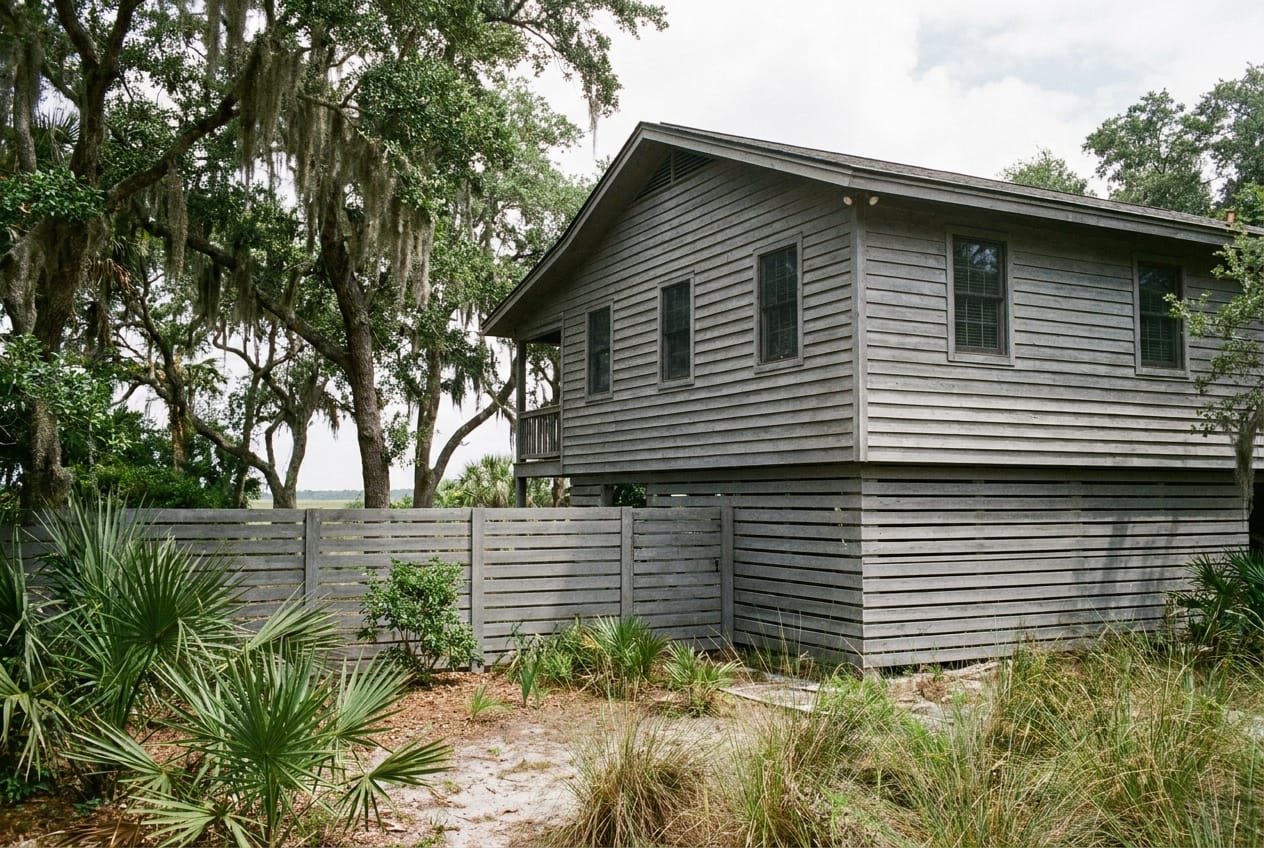
- Double-Sided Horizontal: Horizontal boards are installed on both the front and back of the vertical posts, completely enclosing the framing inside the structure.
- Vinyl and Composite Privacy: Many vinyl and composite systems utilize tongue-and-groove pickets that slide into channels in the center of the posts, creating a mirrored look on both sides.
Selecting a two-sided fence style often satisfies HOA rules, keeps neighbors happy, and provides a clean visual backdrop inside your own back yard.
Final Layout Considerations
Once you select a design and locate your property line, string your fence line carefully. Dig post holes set back far enough so that concrete footings do not spill across the property line underground. An overexcavated footing that crosses the boundary can create legal issues or complicate future landscaping for your neighbor. Taking time during the layout phase ensures the completed fence looks professional, respects property lines, and maintains good neighborly relations for years to come.