Design · 3 min read
Strategic Privacy Fence Placement for Backyard Layouts
Published 11 October 2026
Target high-use patio spaces and close sightlines with privacy screening rather than spending money to enclose an entire backyard.
Planning a fence often starts with a simple desire for seclusion. Homeowners across Mount Pleasant, Summerville, Moncks Corner, and the surrounding Lowcountry frequently assume that enclosing an entire property line with a six-foot solid privacy fence is the only way to achieve peace and quiet. However, spending thousands of dollars to construct solid privacy panels around every foot of a lot is often unnecessary and can even make a yard feel cramped and hot.
Targeted privacy design focuses your investment on the specific sightlines that impact daily life, while using open, lower-cost fence styles elsewhere.
High-Priority Areas for Privacy Screening
Certain outdoor spaces demand complete visual protection. Focusing high-density screening or solid wood and vinyl panels on these key zones provides maximum comfort without overspending.
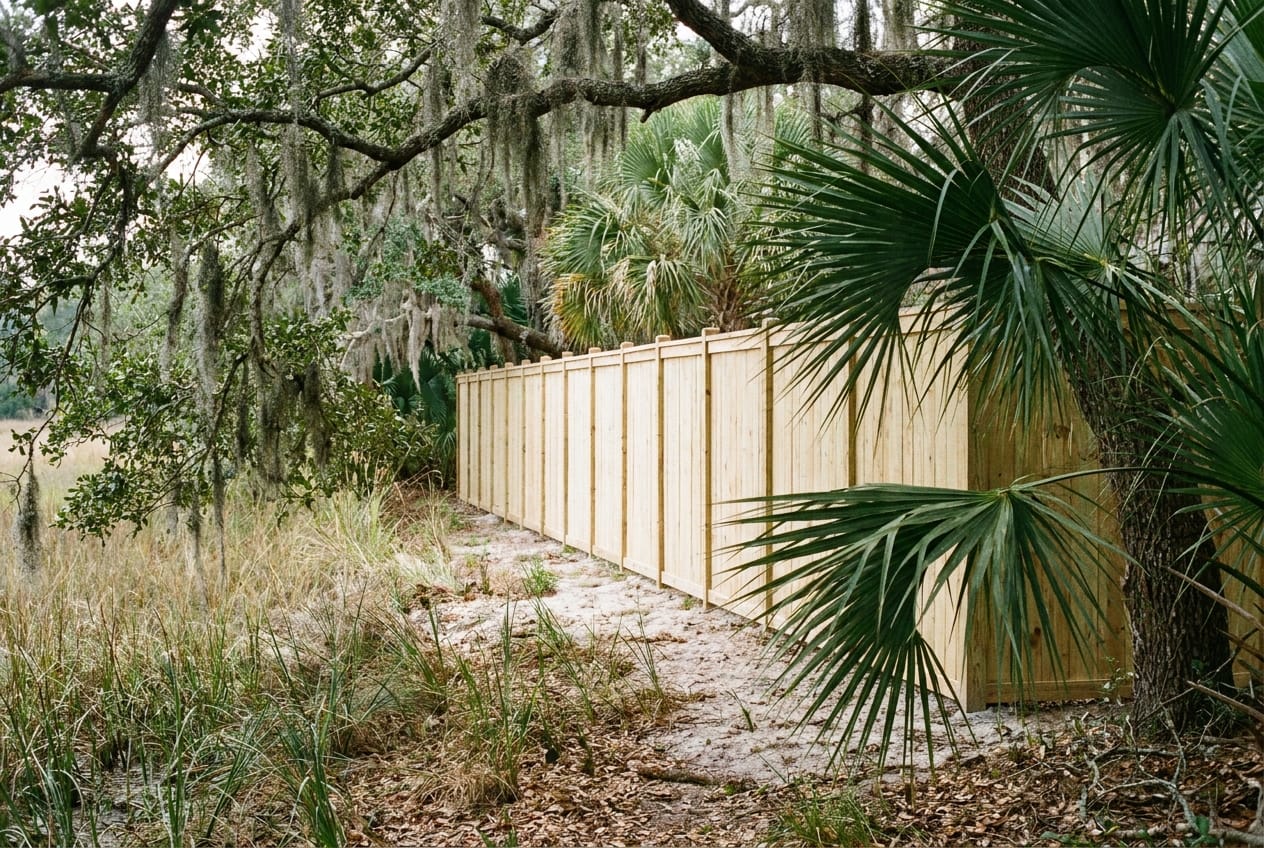
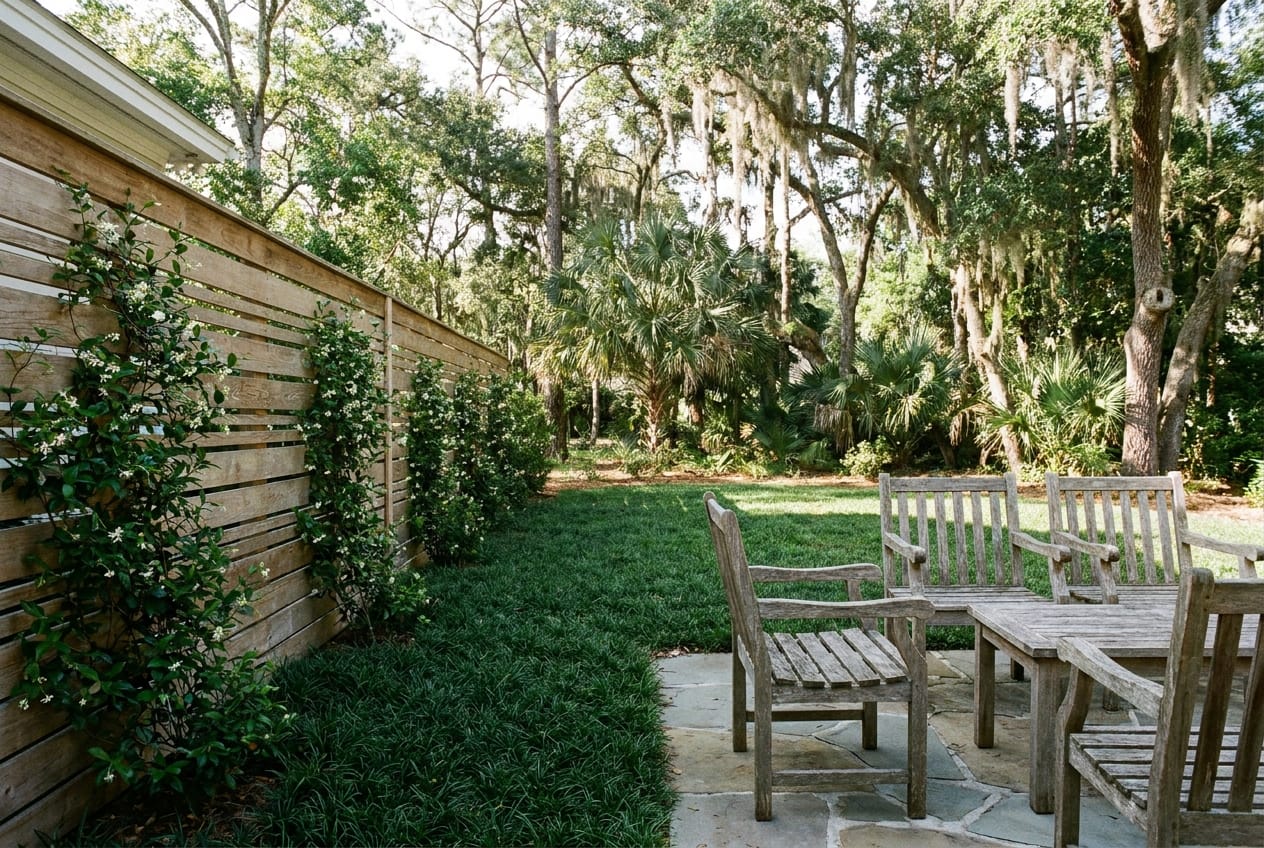
- Primary Patios and Outdoor Living Spaces: The area directly outside your back door, where you eat, read, or sit with guests, requires the most protection. A six-foot solid fence panel or built-in privacy wall positioned along this perimeter blocks direct views from neighboring windows.
- Pools, Hot Tubs, and Outdoor Showers: Water features require complete visual comfort. Short runs of solid privacy screening placed close to the water feature keep the area private without requiring the entire backyard perimeter to be walled off.
- Side Yards with Narrow Lot Lines: In many newer subdivisions, homes are built close together. Placing solid privacy panels along side lot lines prevents direct eye contact with neighbors through ground-floor living room or bathroom windows.
- Utility and Storage Equipment: HVAC condensers, generator pads, trash storage, and lawn equipment create visual clutter. Small, dedicated L-shaped or U-shaped screen panels hide these items effectively.
Where Privacy Fencing Is Wasted Money
Installing solid, heavy fencing in areas that do not require visual blockage wastes material costs and can negatively alter your landscape.
- Rear Boundaries Facing Marshes or Woods: If your property backs up to a wooded buffer, retention pond, or marsh, a solid privacy fence cuts off natural views and blocks prevailing coastal breezes. An open aluminum or wire fence keeps pets contained while maintaining the open landscape.
- Front Yard Extensions: Tall, solid fencing along the front side of a home rarely serves a practical purpose since front yards are not typically used for private outdoor living.
- Deep, Unused Backyard Corners: Distant corners of a deep lot rarely need six-foot solid screening. Using a lower, less expensive fence style in these zones keeps pets secure while saving on material and installation costs.
Sightline Analysis and Layout Options
Before buying materials, perform a sightline test. Sit in the chairs on your back porch and note exactly what you see. Have someone stand at neighboring property lines or windows. You may discover that a ten-foot section of strategically placed lattice or solid panel blocks the exact sightline of concern, making a hundred-foot run of expensive privacy fence unnecessary.
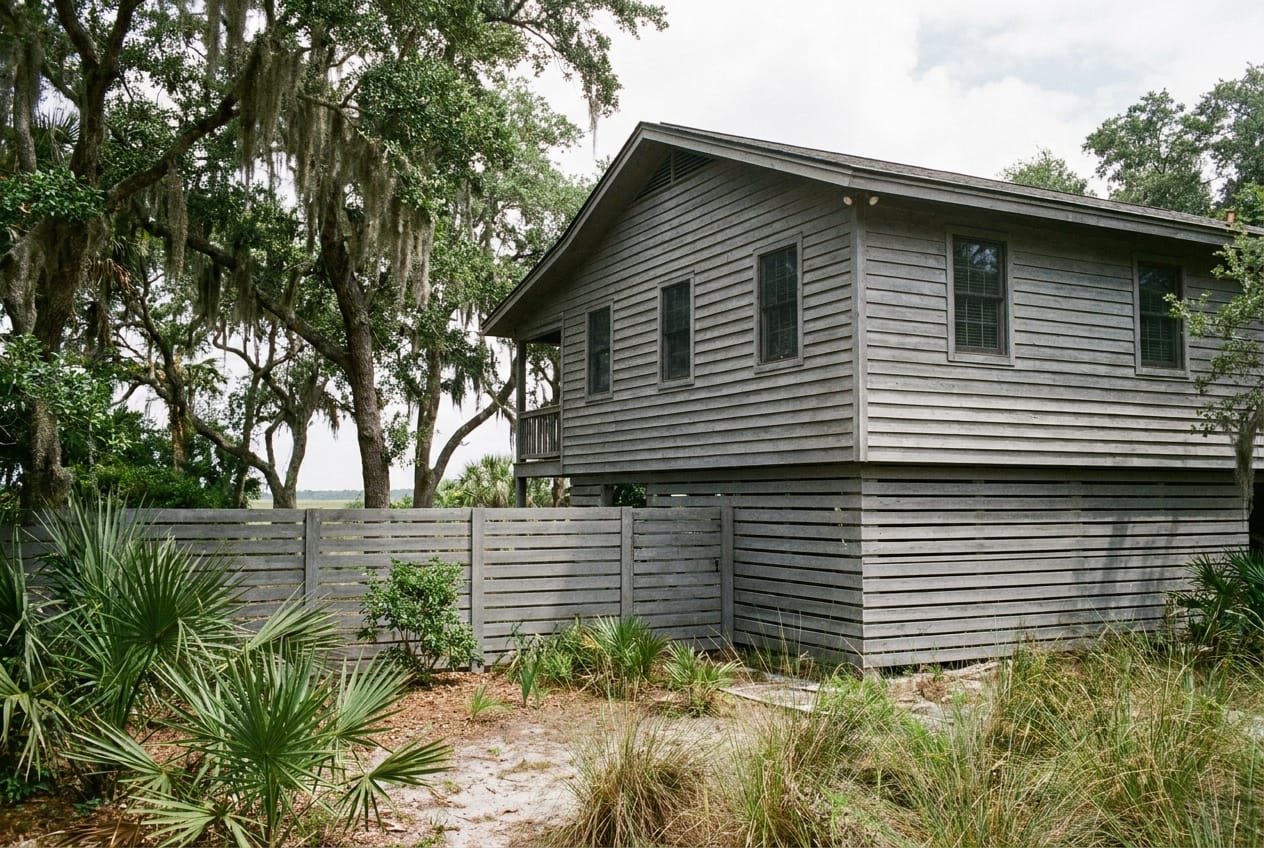
Combining fence types is often the most practical solution. For example, using solid privacy panels along a tight side lot line and transitioning to an open four-foot aluminum fence along the back yields privacy where needed while keeping the yard feeling open.
Cost Considerations and Budgeting
Fence costs depend heavily on material choices, lot grading, soil conditions, and total linear footage. Standard pressure-treated wood or vinyl privacy fencing generally ranges from $25 to $45 per linear foot installed. Open aluminum or spaced picket fencing typically ranges from $22 to $38 per linear foot. Custom privacy screens or trellises for specific patio nooks generally run between $1,200 and $3,500 depending on size and structural requirements.
Local Regulations and HOA Rules
Permit requirements, allowable fence heights, setback distances, and drainage restrictions vary by municipality, including Charleston County, Berkeley County, and individual city jurisdictions. In addition, homeowners associations often mandate specific fence styles, approved materials, and rules about which side of the fence must face outward. Always check with your local government zoning office and HOA board before finalizing plans.
Evaluating sightlines allows you to spend money where privacy matters most while keeping the rest of your outdoor space open and bright.