Design · 4 min read
Targeted Privacy Fence Placement for Lowcountry Lots
Published 31 October 2026
Installing full privacy fencing around an entire yard often wastes money when targeted sections produce better results for less.
Installing a six-foot privacy fence around every foot of a property line is one of the quickest ways to inflate an outdoor project budget. In places like Mount Pleasant, Summerville, and Moncks Corner, lot shapes, topography, and existing vegetation vary dramatically. Paying for solid tall fencing where nobody is looking wastes material and labor.
Understanding where sightlines actually create discomfort helps stretch a budget while making outdoor living spaces feel private.
High-Value Areas for Privacy Fencing
Certain spots on a lot benefit significantly from solid screening. Focusing your investment on these areas improves daily use without overspending on hidden corners.
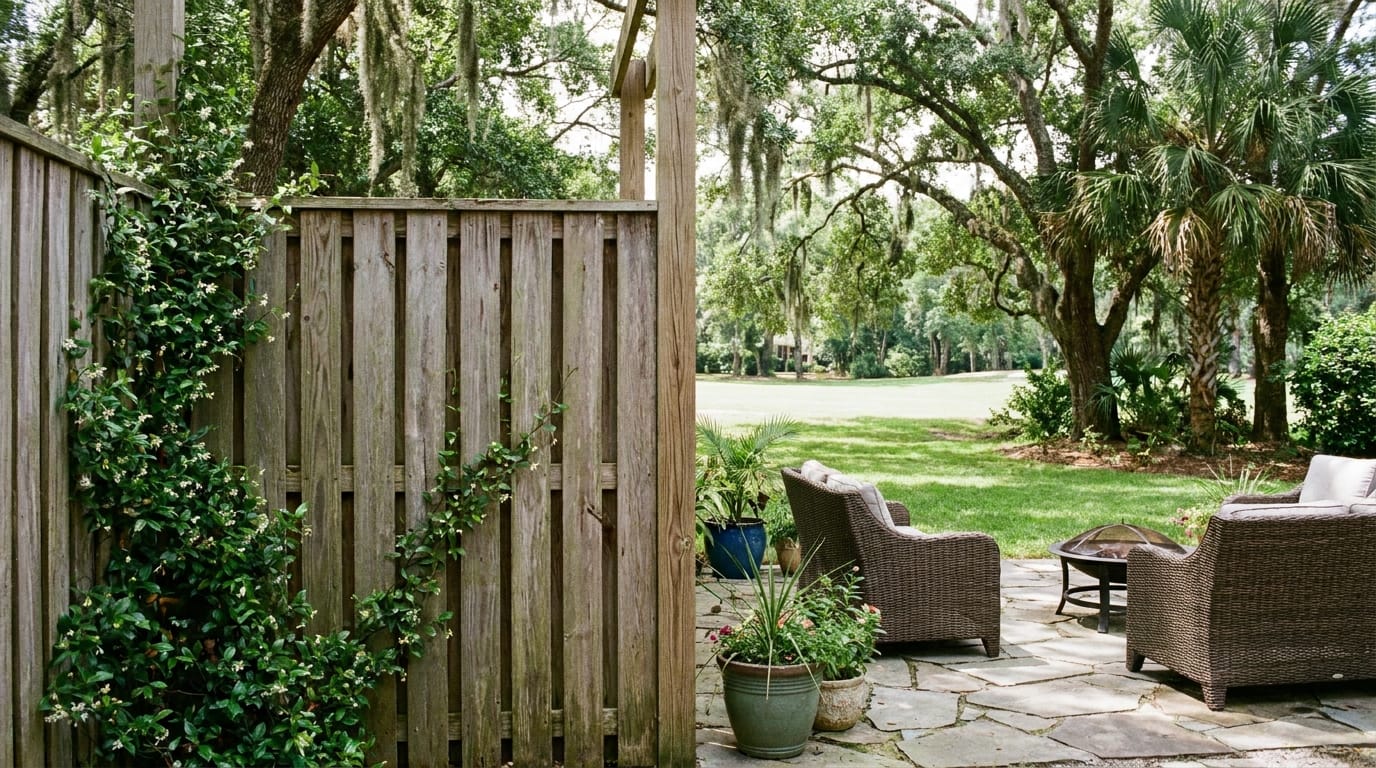
- Direct patio and deck extensions: The primary outdoor seating area right off your back door is where family members spend most of their time lounging or dining. A six-foot panel setup directly adjacent to a patio blocks direct views from neighboring kitchen or porch windows.
- Pools, hot tubs, and outdoor showers: Water features require complete visual privacy for comfort. Enclosing the immediate pool deck or tub perimeter ensures visual relief without needing to extend heavy fencing into deep wooded corners.
- Side yard sightlines between close homes: In many Lowcountry suburban developments, houses are built close together. A solid privacy panel along the narrow side lot line prevents looking directly into a neighbor's side windows or driveway.
- Utility concealment: Short screen sections around trash cans, air conditioning units, and pool pumps clean up the yard's appearance from the main outdoor living areas.
Where Privacy Fencing Is Wasted Money
Running expensive solid fencing along every border often adds zero practical privacy.
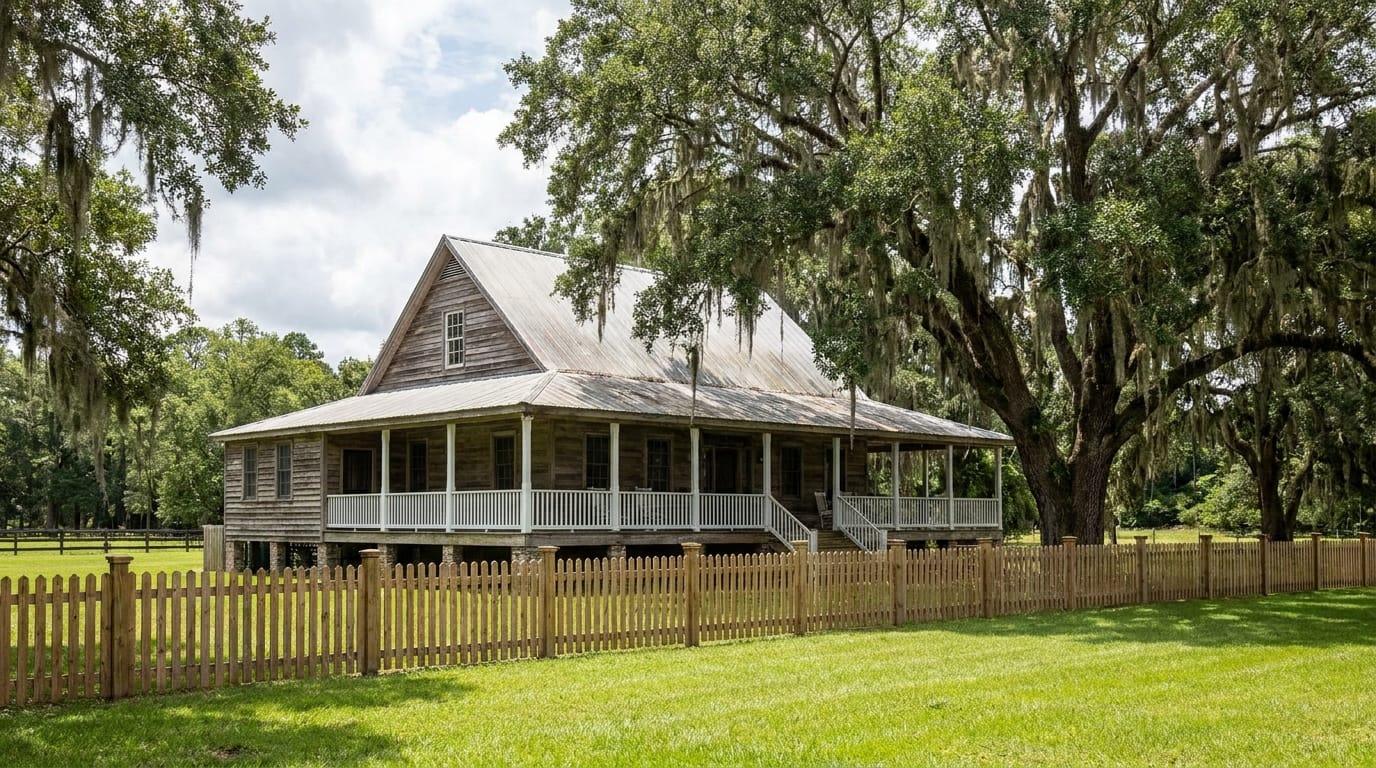
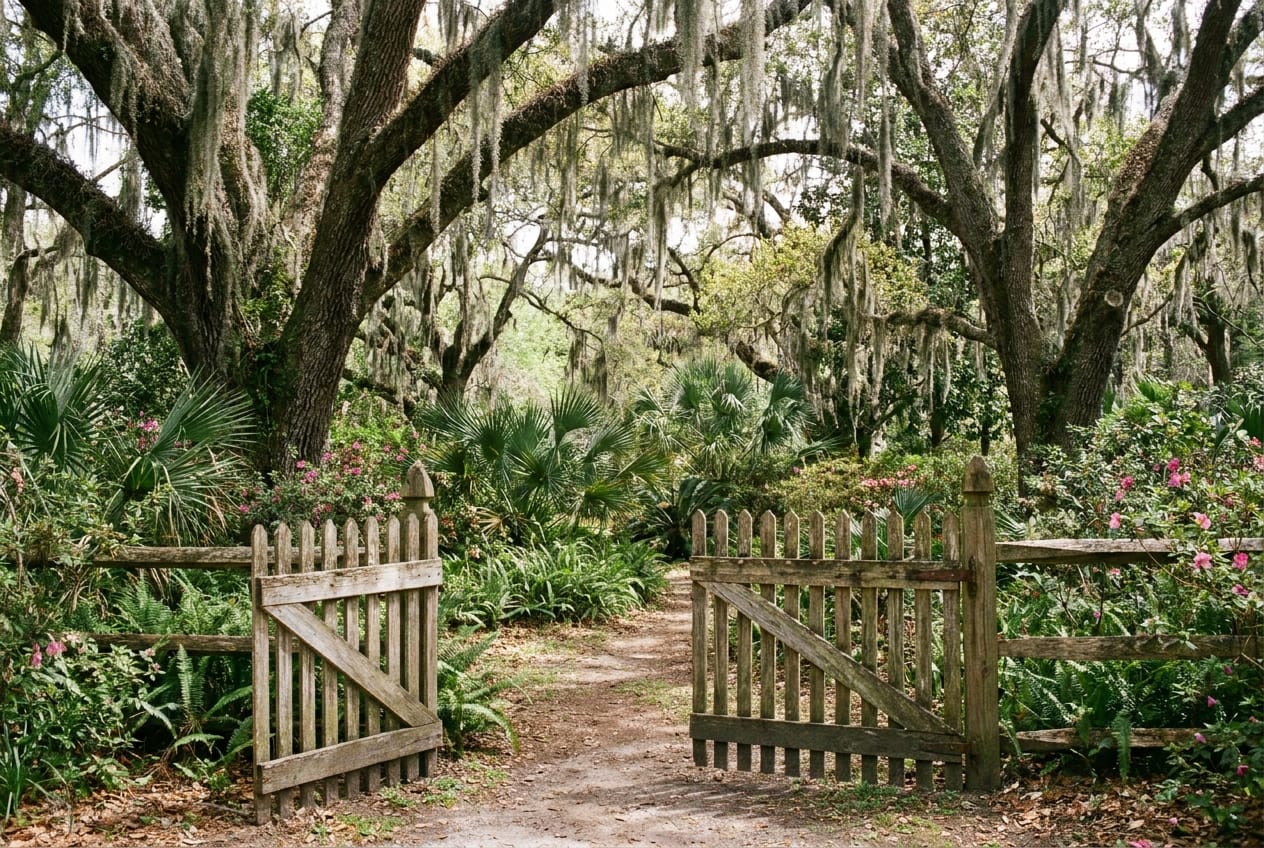
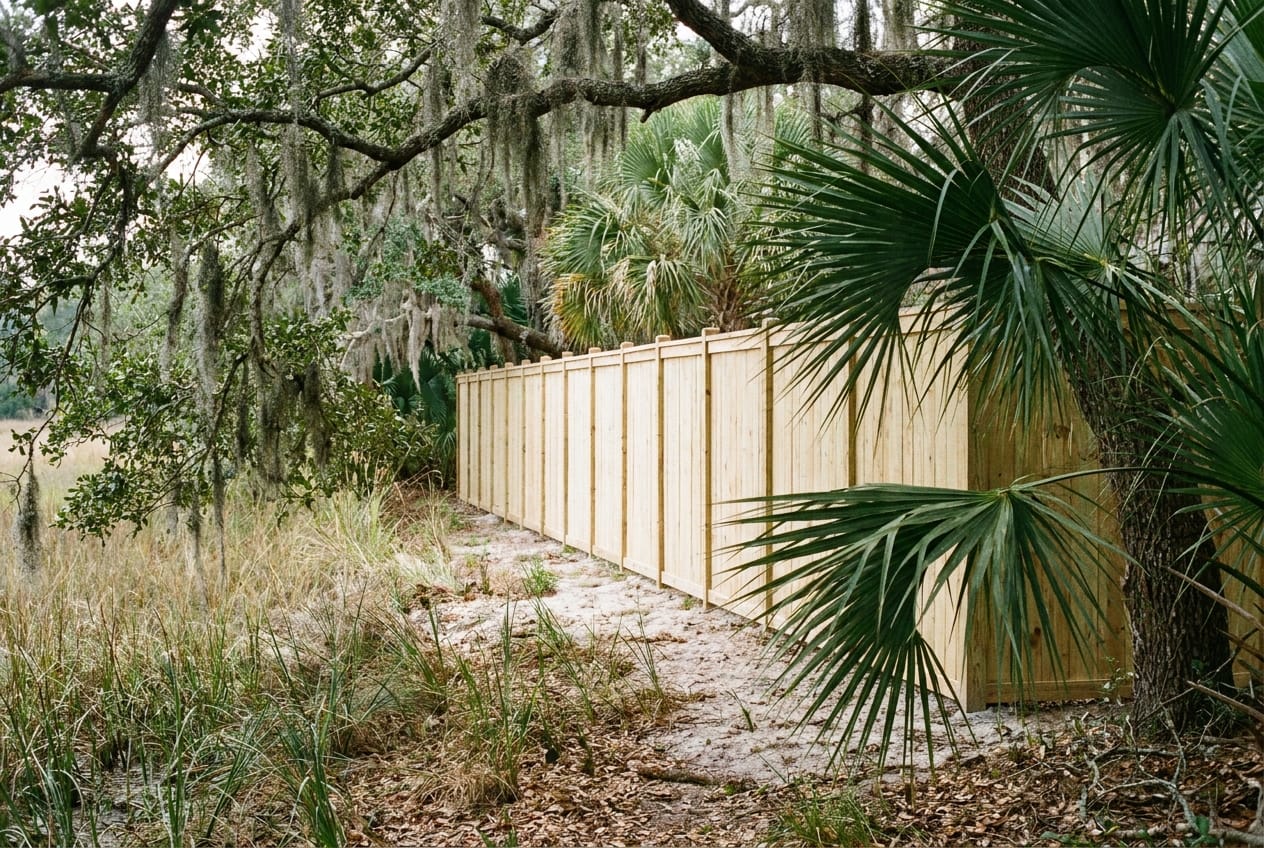
- Dense wooded or marsh boundaries: If your property backs up to a protected wetland, buffer zone, or dense stand of live oaks and palmettos, visual privacy already exists. Installing a tall solid fence against thick foliage blocks light and air while hiding the natural view. An open aluminum or picket fence secures pets and children at a lower material impact.
- Blank garage walls: If a section of your side property line faces an windowless exterior wall of a neighbor's garage, high privacy boards provide no added comfort. A lower decorative fence or open style works equally well for boundary marking.
- Deep rear lot corners: Corners of large yards that are rarely visited do not require heavy screening unless there is a specific eyesore behind them.
Sightlines and Elevation Considerations
A common mistake is assuming a six-foot fence solves all privacy issues. Ground-level sightlines differ from second-story sightlines.
If a neighboring home has second-story windows overlooking your patio, a perimeter fence at the property line may not block their view regardless of height. In these cases, placing privacy screens or pergolas directly over or next to the seating area creates overhead shade and visual screening far more effectively than building taller fences at the property edge.
Evaluating the angle of sight from where you actually sit or stand prevents building expensive structures that fail to deliver privacy.
Combining Fencing Styles
You do not have to choose a single fence style for the entire property. Mixing fence types keeps costs lower and improves curb appeal.
For example, many homeowners use solid six-foot wood or vinyl panels along close side yards, transitioning to open black aluminum fencing along the back tree line. This keeps the view open to natural scenery while maintaining privacy where houses sit close together.
Material prices vary based on market conditions, soil, gate choices, and total footage. Basic perimeter fencing generally ranges from $20 to $45 or more per linear foot depending on whether you choose pressure-treated pine, cedar, vinyl, or aluminum. Custom screening structures or integrated pergolas add to overall costs based on scope.
Check Local Guidelines Before Planning
Before committing to fence placement or mixing heights, always consult local authorities and governing bodies. Height limits, front yard setbacks, easement restrictions, and material approvals vary significantly by city, county, and individual homeowners associations across the Charleston area.
What is allowed in a rear yard in unincorporated Charleston County may differ from rules in Mount Pleasant or Summerville. HOA guidelines frequently dictate acceptable fence styles, finish colors, and facing directions. Checking these requirements early prevents costly modifications later.