Maintenance · 4 min read
Deciding to Repair or Replace a Storm-Damaged Fence
Published 22 September 2026
Learn how to evaluate wind and water damage to your fence to determine if you need a targeted repair or a complete replacement.
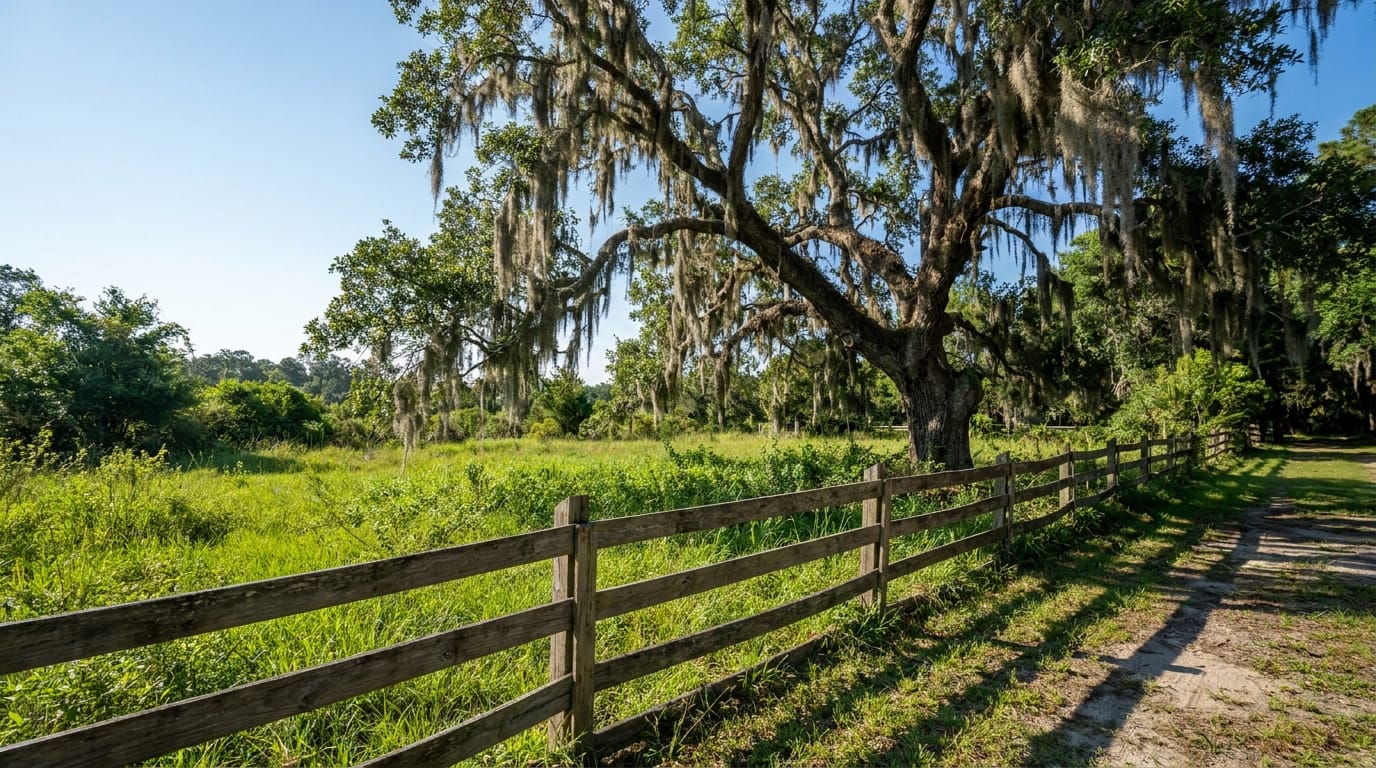
Coastal storms, high winds, and saturated soil are common challenges for homeowners in Charleston, Mount Pleasant, Summerville, and Moncks Corner. After a severe weather event, checking your property for damage is a priority. Fences are particularly vulnerable to fallen branches, high wind gusts, and shifting earth. Knowing whether you can get by with a simple repair or if you need to budget for a full replacement is key to managing your home maintenance budget.
Assessing Fence Post Stability
The posts are the structural foundation of any fence. If your posts are compromised, the rest of the fence will eventually fail. Walk your fence line and gently push on the posts to check for movement.
If a single post has snapped at the ground line due to wind but the surrounding posts are upright and sturdy, this is usually repairable. A contractor can dig out the old concrete footing and install a new post. However, if multiple consecutive posts are leaning or have pulled completely out of the wet ground, the structural integrity of the entire line is compromised. In the Lowcountry, sandy or marshy soil can become highly saturated during storms, causing concrete footings to shift. When several footings have moved, a full replacement of that section or the entire fence line is often the most cost-effective long-term solution.
Damage to Pickets, Rails, and Panels
The infill of your fence, which includes individual wooden pickets, vinyl panels, or aluminum pickets, takes the brunt of wind and flying debris.
If a falling limb has broken a few pickets or cracked a single vinyl panel, you are looking at a straightforward repair. You can easily swap out individual pieces of wood, vinyl, or aluminum.
If wind has warped the framework or twisted the horizontal rails across multiple sections, repair is rarely practical. When horizontal rails sag or bow, they lose their ability to hold the pickets in place. For vinyl and aluminum fences, wind can blow entire panels out of their brackets. If the brackets or the routed holes in the posts are stripped or torn, you cannot simply slide the panels back in; you will likely need to replace those sections of the fence.
Material Matters: Wood, Vinyl, and Aluminum
The material of your fence plays a major role in deciding between repair and replacement.
Wood fences are highly customizable, making spot repairs relatively easy. However, if your wood fence was already showing signs of rot, insect damage, or weathering before the storm, the high winds likely exposed these weaknesses. Repairing storm damage on a rotting fence is a poor investment, as the remaining sections will continue to deteriorate.
Vinyl fences do not rot, but older vinyl can become brittle from UV exposure. If a storm damages a portion of an older vinyl fence, finding matching replacement parts can be difficult because manufacturers change interlocking designs and color formulas over time. Even if you find a part that fits, the color contrast between the weathered vinyl and the new panel can be stark.
Aluminum fences are durable but can bend under impact from heavy limbs. Because aluminum cannot be easily bent back into shape without weakening the metal, damaged rails or pickets usually require replacing the entire affected panel.
Estimated Costs and Site Conditions
Budgeting for storm recovery requires an understanding of potential costs, which vary based on your specific yard.
A minor repair, such as replacing one or two posts or a handful of pickets, typically ranges from $300 to $1,000. A full fence replacement is a significant investment, often ranging from $3,000 to $15,000 or more, depending on the linear footage, material choice, and height.
These ranges are heavily influenced by site conditions. If a storm has left standing water, fallen trees, or heavy debris near the fence line, the labor required to prepare the site will increase the overall cost. Difficult soil conditions, such as tree roots or thick clay, also affect the time needed to dig new post holes.
HOA Guidelines and Building Permits
Before making any final decisions or signing a contract, you must consider local regulations and neighborhood rules.
Permit requirements and building codes vary significantly across the Lowcountry. What is allowed in Mount Pleasant may differ from rules in Summerville, Moncks Corner, or unincorporated Charleston County. Some municipalities require a building permit for any fence work, while others only require one if you are replacing more than a certain percentage of the structure or changing the fence height.
Similarly, Homeowners Associations (HOAs) have strict guidelines regarding fence materials, heights, and styles. Even if you are doing a repair, some HOAs require approval if the new materials do not perfectly match the weathered look of the existing fence. Always check with your local building department and HOA board before starting any work to avoid unexpected fines or being forced to tear down unapproved work.