Materials · 4 min read
Deck Materials for High Humidity and Coastal Salt Air
Published 18 September 2026
Choosing the right decking material in coastal South Carolina requires understanding how humidity, moisture, and heat affect wood and composites.
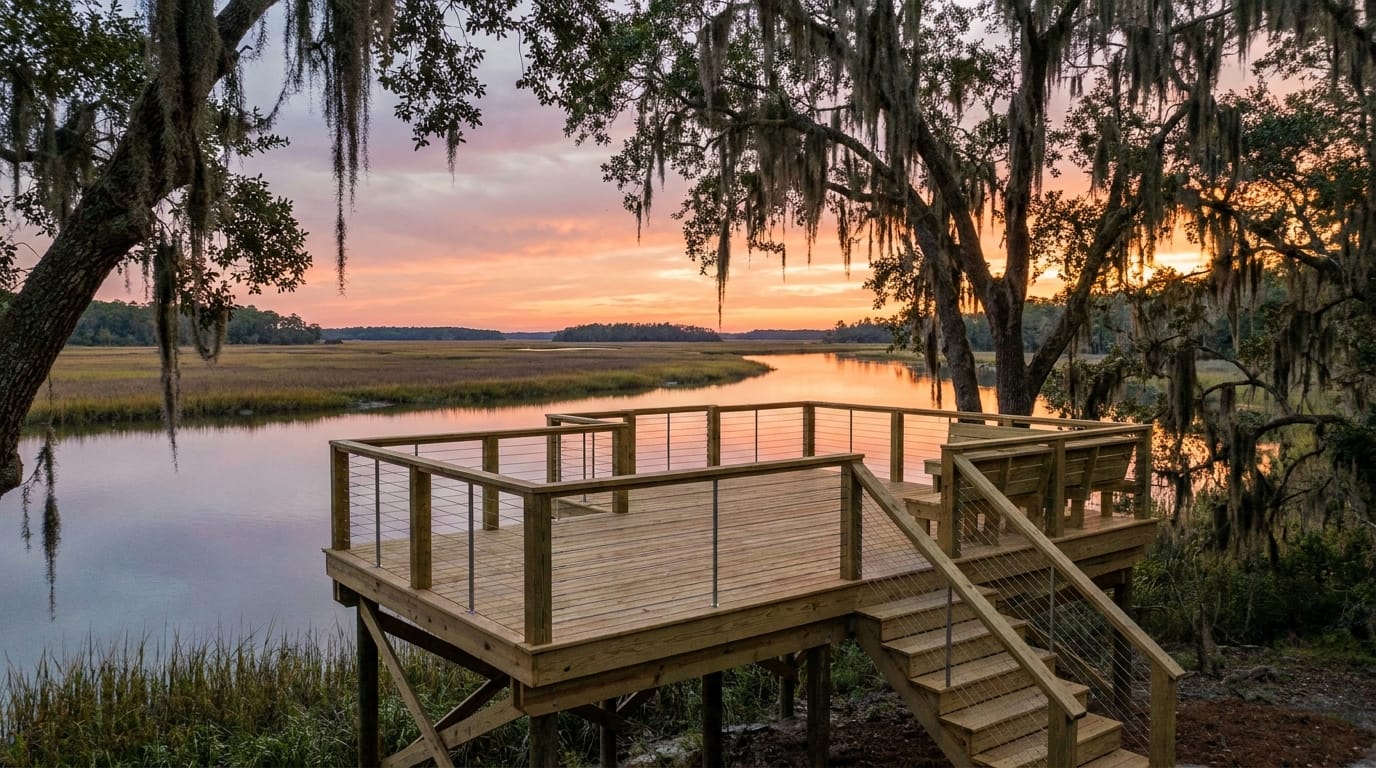
The climate in coastal South Carolina presents a unique set of challenges for outdoor building materials. In areas like Charleston, Mount Pleasant, Summerville, and Moncks Corner, decks must withstand high humidity, intense summer heat, heavy seasonal rain, and salt-laden air. These environmental factors accelerate wood rot, promote mold growth, and warp boards that are not suited for the region.
When investing several thousand dollars in a new deck, selecting the right material determines how long the structure will last and how much time you will spend on maintenance.
Pressure-Treated Pine
Pressure-treated (PT) southern yellow pine is the most common decking material due to its affordability and widespread availability. Chemical preservatives are forced into the wood under pressure to protect it from rot, decay, and termites.
For a standard ground-level or elevated deck, PT lumber materials generally cost between $15 and $30 per square foot, though total project costs vary based on site preparation, height, and structural design.
While PT wood handles moisture better than untreated wood, the extreme humidity fluctuations in the Lowcountry cause it to expand and contract rapidly. This movement leads to warping, cracking, and splintering over time. To preserve a PT deck in this climate, you must apply a water-repellent sealant or stain annually or biennially.
Capped Composite Decking
Capped composite decking is engineered from a mix of recycled wood fibers and plastics, encased in a durable polymer shell. This outer shell protects the core from moisture, preventing the rot and mold common in humid climates.
Composite decking typically ranges from $35 to $65 per square foot for installation, depending on the product line, railing choices, and site conditions.
Because composite boards do not absorb water, they will not warp or splinter from humidity. They also resist fading from the intense Southern sun. However, composites can become very hot to the touch in direct sunlight. If your yard lacks shade, lighter colors are recommended. Maintenance is minimal, usually requiring only an occasional wash with soap and water to remove surface pollen and dirt.
PVC Decking
Cellular PVC decking contains no wood fibers at all; it is made entirely of polyvinyl chloride. This makes it highly resistant to moisture-related damage, as there is no organic material present to harbor mold or mildew.
PVC decking is a premium option, often ranging from $45 to $80 or more per square foot depending on the complexity of the build and specific manufacturer lines.
For decks built near water, such as pool surrounds or tidal creek docks, PVC is highly stable. It expands and contracts less than composite decking and tends to cool down faster after direct sun exposure. Like composite, it requires no sanding, staining, or sealing, though regular cleaning is still necessary to prevent dirt buildup in the textured grain.
Tropical Hardwoods
Tropical hardwoods like Ipe, Cumaru, and Garapa are naturally dense woods that resist rot, insects, and decay without chemical treatments. Their tight grain structure prevents them from absorbing moisture, making them suitable for humid environments.
Hardwood installations are labor-intensive and require specialized tools, with costs often ranging from $55 to $95 or more per square foot depending on current import pricing and site access.
While highly durable, tropical hardwoods are not maintenance-free. To maintain their rich, natural color, they must be treated with a UV-blocking hardwood oil once or twice a year. Left untreated, they will gradually weather to a silver-gray patina. This weathering does not compromise the structural integrity of the wood, but it does alter the appearance.
Essential Construction Practices for Humid Climates
The choice of decking board is only part of the equation. To ensure a deck lasts in a wet environment, the framing and installation methods must also account for moisture:
- Under-Deck Ventilation: Adequate airflow beneath the deck is critical. Without ventilation, moisture traps under the boards, causing the framing to rot and the deck boards to cup.
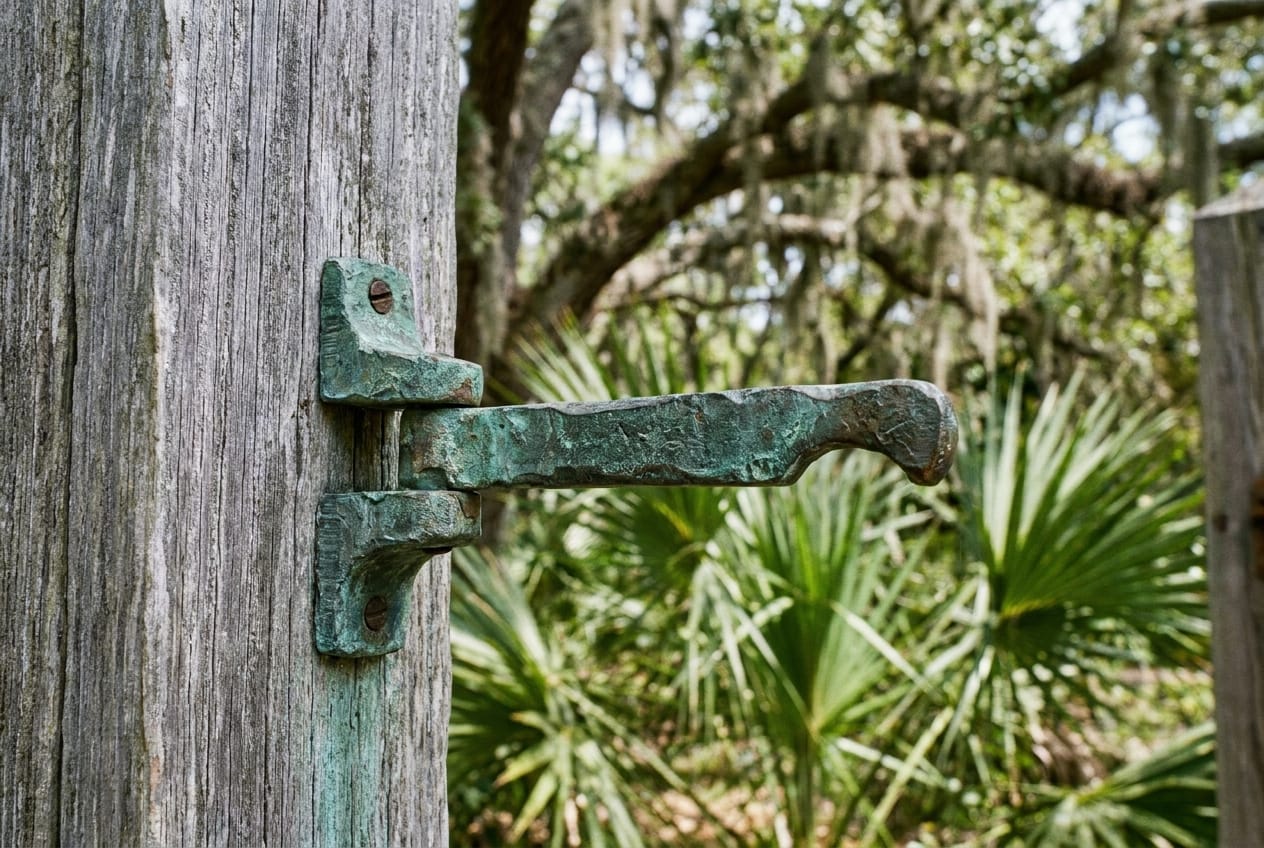
- Corrosion-Resistant Fasteners: Salt air in coastal zones accelerates metal corrosion. Using high-grade stainless steel screws and joist hangers is necessary to prevent structural failure.
- Joist Flashing Tape: Applying a protective butyl tape to the tops of the wooden joists before installing deck boards prevents water from seeping into screw holes and rotting the frame.
Local Permissions and Guidelines
Before finalizing your material choice or deck layout, consult local authorities. Building codes, wind-load requirements, setbacks, and permit fees vary significantly between Charleston County, Berkeley County, and individual municipalities like Mount Pleasant or Summerville. Additionally, if you live in a neighborhood with a homeowners association (HOA), you must submit your plans for approval, as many HOAs restrict certain materials, colors, or deck heights.