Costs · 4 min read
DIY Tasks That Lower Professional Fence Installation Costs
Published 29 October 2026
Handling site clearing, old fence removal, and HOA approvals yourself can significantly reduce your total installation cost.

When you receive a quote for a new fence or outdoor structure, a significant portion of the total price covers labor. While specialized tasks like post setting, framing, and gate hanging require professional tools and experience, several prep tasks do not. Taking on some of this labor yourself allows the installation crew to focus strictly on building, which directly reduces the overall bill.
The actual savings will depend on your property's condition, access, and layout. Site conditions like thick vegetation, tight access gates, or heavy root systems can add several hundred dollars or more to a standard installation quote. Here is a breakdown of the specific tasks you can complete to lower your labor charges.
Clearing the Site Line and Access Paths
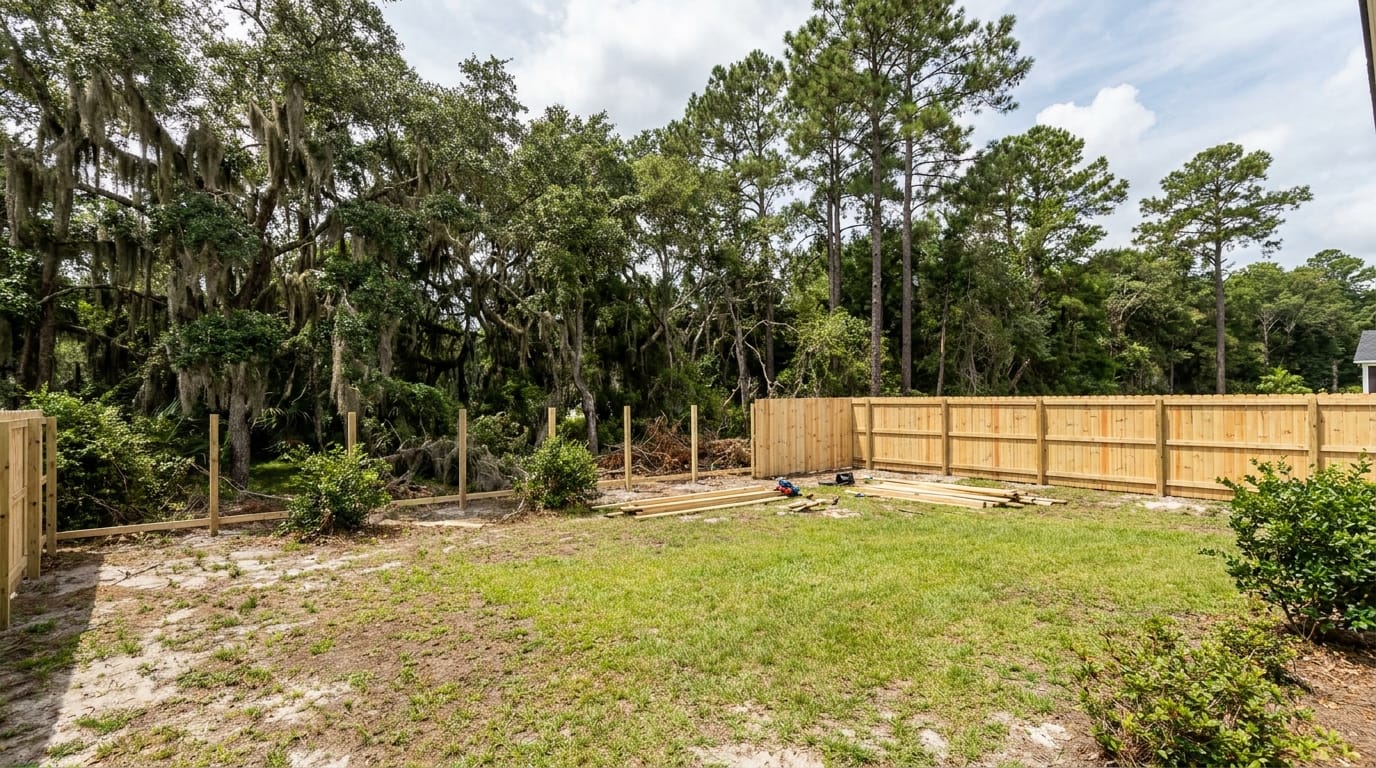
Contractors need a clear, unobstructed path along the proposed fence line to set strings, dig holes, and align panels. They also need a clear route from their truck or trailer to the work area. If a crew has to spend the first few hours of a job cutting back limbs or clearing brush, those hours are billed into your project total.
You can save money by doing the clearing work before the crew arrives:
- Trim low-hanging tree branches along the fence line up to a height of eight feet.
- Cut back bushes, vines, and tall weeds at least three feet on either side of the proposed fence line.
- Move outdoor furniture, firewood stacks, garden hoses, and landscaping features away from the work zone.
- Clear a direct path from the driveway or access gate to the installation area so materials can be moved quickly.
Removing and Hauling Away Existing Fencing
If your project involves replacing an existing fence, tear-out and disposal charges can add $2 to $5 or more per linear foot to your total estimate, depending on the material and local dump fees. Doing the demolition yourself is one of the most effective ways to lower your bill.
Taking down a wooden fence usually requires a pry bar, hammer, and reciprocating saw. Chain-link fences require wire cutters and a socket set.
- Unfasten panels or pickets and stack them neatly for disposal.
- Cut top rails and pull mesh off posts for wire fencing.
- Haul the old material to your local municipal landfill or transfer station using a truck or utility trailer.
Be cautious when dealing with concrete footings. If old posts are set deep in concrete, pulling them out can leave large, unstable holes. Discuss with your contractor whether you should dig out the concrete or simply cut the old posts flush with the ground so new posts can be set alongside them.
Handling Permits and HOA Approvals
Administrative time is part of a contractor's overhead. When a builder handles permit applications or HOA submissions for you, that time is factored into the estimate. You can often eliminate or reduce these service fees by managing the paperwork yourself.
Permit requirements, application fees, property setbacks, and height limits vary significantly depending on whether you live in a municipality, an unincorporated area, or a neighborhood with a homeowners association. Always check directly with your local building department and HOA board to confirm the exact rules for your property before ordering materials.
- Request the necessary permit or architectural review forms directly from your local authority or board.
- Draw a scaled site plan on your property survey showing the proposed location, height, and gate placement.
- Submit the paperwork and pay any required filing fees directly.
Confirming Boundaries and Calling Utilities
Delays on the first day of installation increase labor overhead. You can ensure the crew starts digging immediately by taking care of property lines and utility marking in advance.
Locate your property corner pins before the contractor arrives. If you cannot find the metal markers in the ground, hiring a licensed surveyor to locate and mark your property boundaries avoids costly boundary disputes and prevents the crew from standing by while lines are verified. Additionally, while contractors usually coordinate public utility locates, contacting the free 811 utility marking service yourself ensures all underground gas, electric, and communication lines are clearly painted before the crew unloads their equipment. Note that private lines, such as irrigation pipes or low-voltage landscape lighting, are not marked by 811 services and should be marked by the homeowner.
Knowing Which Tasks to Leave to Professionals
While DIY site prep cuts costs, attempting to set posts, dig holes, or build gates without professional equipment often leads to alignment errors, sagging gates, or unstable posts in coastal soils. Leaving the actual construction to the installation team ensures the structure is plumb, level, and built to withstand local weather conditions, while your prep work keeps the overall labor invoice as low as possible.