Maintenance · 4 min read
Evaluating Storm Damage on Fences: Repair or Replace
Published 12 October 2026
Assess whether wind and water damage to your fence requires targeted section repairs or a full structural replacement.
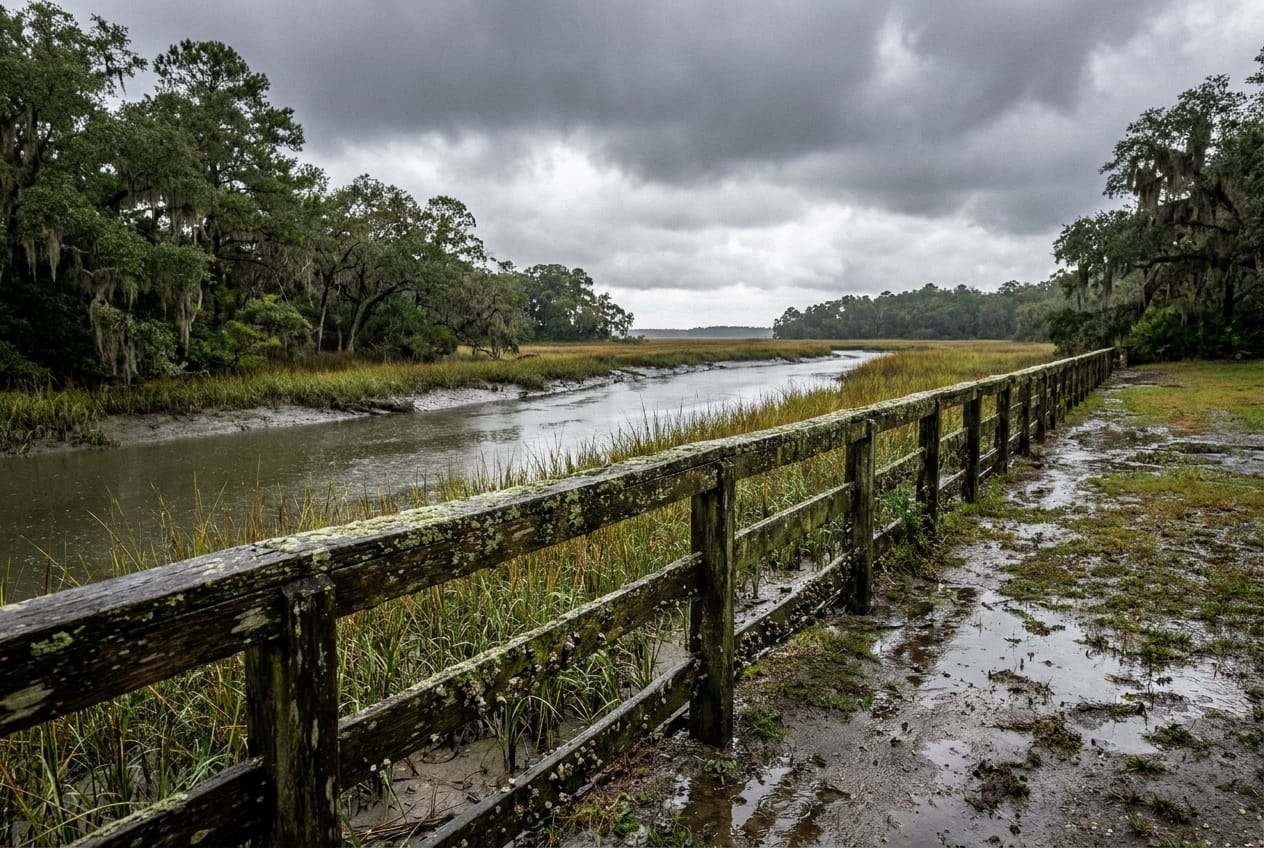
High winds, fallen tree limbs, and saturated soil from coastal storms can do significant damage to outdoor structures. When inspecting a fence after a storm, homeowners must decide whether to make targeted repairs or invest in a full replacement. Making the right call depends on the extent of structural damage, the age of the materials, and overall site conditions.
Evaluating Fence Post Stability
The fence post is the critical structural element of any panel system. If a storm causes a fence to lean, the primary issue lies at or below ground level. Determining whether a post is repairable requires looking at how it failed.
- Shifted soil: High winds can leverage a fence, loosening the soil around concrete footings without snapping the wood or metal. If the post and concrete remain intact, the post can often be releveled, re-tamped, or reinforced with fresh concrete.
- Broken posts: If a wood post snaps at the ground line or a vinyl post cracks at the base, it cannot be safely spliced. The post must be dug out, the concrete footing removed, and a new post set.
- Widespread post failure: When more than a third of the structural posts in a fence line are snapped or severely displaced, total replacement becomes more practical than attempting individual post extractions.
Extracting concrete footings requires heavy manual labor or machinery. If high groundwater or dense tree roots make digging up individual posts difficult, labor costs for partial repairs can rise quickly.
Sectional Damage Versus Structural Failure
Wind often targets specific weak points in a fence run rather than destroying the entire line. Knowing how to spot localized damage helps avoid unnecessary full replacement.
Localized damage occurs when a tree branch impacts a few pickets or a single fence section. If adjacent posts are straight, plumb, and firmly set in the ground, replacing a few pickets, a top rail, or one panel is straightforward.
Structural failure involves systemic damage across multiple bays. When wind forces twist or rack a fence, the structural connectors fail, and the entire line loses rigidity. If stringers are pulled away from posts across a long run, or if the line is leaning in a continuous wave, repairing section by section often results in an unstable fence that remains vulnerable to the next storm.
Prior rot or insect damage also plays a role. If a storm breaks wood that was already compromised by decay, securing new wood to aging, soft framing is rarely effective.
Material-Specific Considerations
Different fence materials react to storm stresses in distinct ways, influencing whether a repair is viable.
- Wood fences: Wood offers the most flexibility for sectional repairs. Individual pickets, stringers, and posts can be replaced independently. However, new pressure-treated wood will not match the weathered grey color of an existing fence. Homeowners must weigh the visual imbalance of partial repairs against the cost of full replacement.
- Vinyl fences: Vinyl panels use interlocking rails and pickets. A storm impact can shatter a panel or strip out the snap-in routing on a post. Replacing a single vinyl component often requires disassembling several adjacent sections. Older vinyl exposed to sun can become brittle, making spot repairs prone to cracking nearby panels during installation.
- Aluminum fences: Aluminum rails and pickets typically bend rather than snap under impact. Attempting to bend distorted aluminum back into shape weakens the metal and ruins the finish. Bent sections must be replaced entirely. Because aluminum fence posts use discrete panel clips or routed slots, replacing individual damaged sections is usually manageable if post alignments remain straight.
Gate Mechanism and Hardware Issues
Gates are often the first part of a fence line to show storm damage. Strong gusts can catch a unlatched gate, whipping it open and pulling hinges out of the post or twisting the gate frame out of square.
If the gate frame remains square, replacing bent hinges or a broken latch will restore function. However, if the gate frame itself is racked or twisted, the gate will no longer align with the latch post. Rebuilding or replacing the gate panel is generally required. If the gate post itself was pulled out of plumb by wind loading on the gate, the post must be reset before hanging new hardware.
Cost Considerations and Local Regulations
Minor storm repairs, such as replacing a post and a few damaged pickets, generally range from $250 to $800 depending on material type, access, and soil conditions. Complete fence replacements vary broadly, typically falling between $20 and $55 per linear foot depending on height, material selection, and site preparation needs.
Before starting work, verify local requirements. Building rules, setback lines, height restrictions, and permit fees vary by county, city, and neighborhood association. Some jurisdictions require a permit for complete replacements but allow like-kind repairs without one. Always consult your local municipality and HOA guidelines prior to finalizing plans.