Maintenance · 3 min read
Lowcountry Wood Fence Yearly Maintenance Schedule
Published 17 October 2026
A straightforward seasonal maintenance routine keeps a Lowcountry wood fence standing strong against high heat, damp soil, and coastal storms.
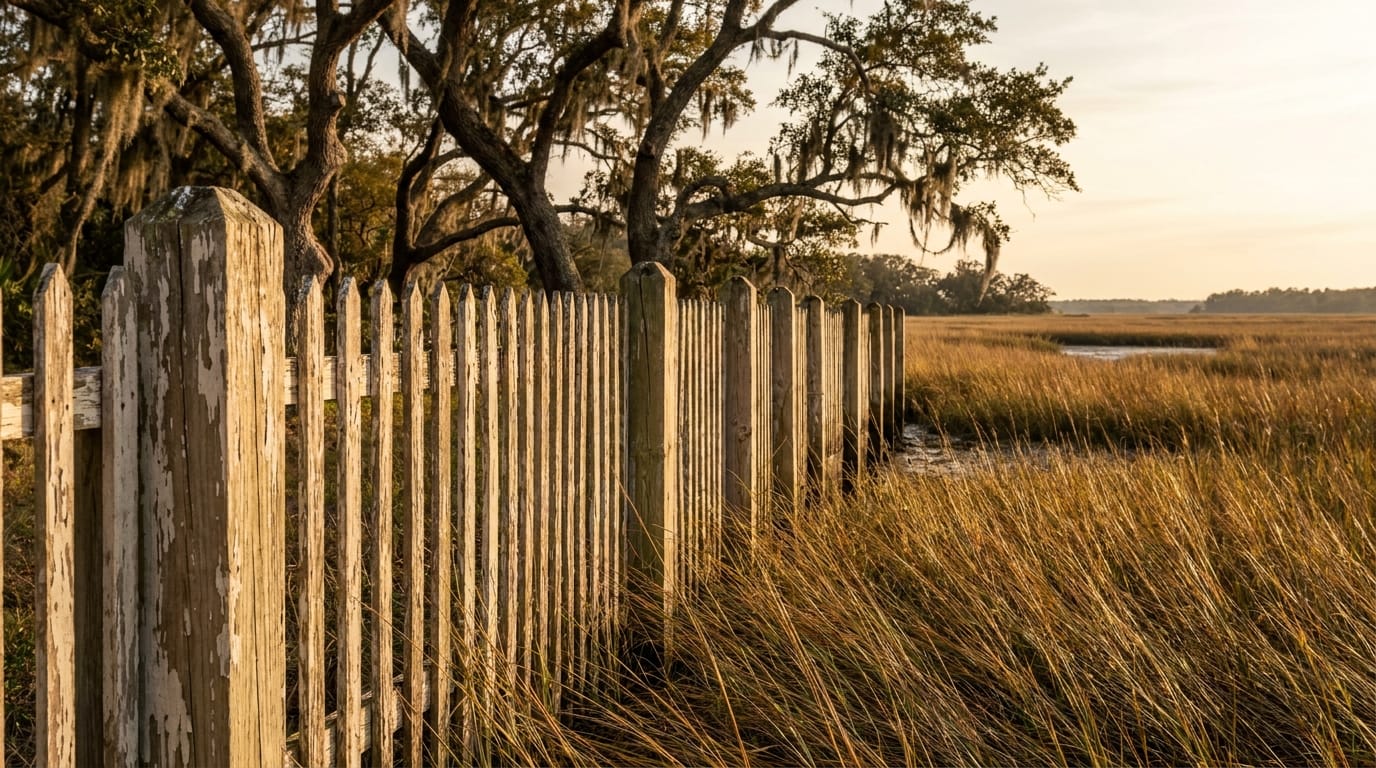
The coastal climate of the South Carolina Lowcountry presents constant challenges for timber structures. High humidity, intense UV exposure, summer downpours, and damp soil accelerate wear on wood fences across Charleston, Mount Pleasant, Summerville, and Moncks Corner. Without regular attention, pressure-treated pine and cedar can warp, rot, or discolor quickly. Following a realistic, seasonal routine helps protect your investment and extends the lifespan of your enclosure.
Spring Inspection and Soft Washing
Spring is the best time to evaluate how your fence survived winter weather and prepare it for humid summer months. Moisture trapped in the wood during cooler periods often encourages mildew, algae, and mold growth.
Walk the entire length of the fence line to inspect for structural issues before cleaning.
- Check every post by applying firm pressure to see if it sways.
- Inspect the bottom edges of pickets where moisture pools near the ground.
- Look for rusted fasteners, loose screws, or broken latches.
Once repairs are noted, clean the wood surface. Avoid high-pressure washing, which can gouge soft wood fibers like pine and force moisture deeper into the grain. Instead, apply a mild bleach-and-water solution or a dedicated wood cleaner using a pump sprayer. Let it sit for ten to fifteen minutes to break down organic growth, then rinse thoroughly with a low-pressure garden hose nozzle or light power washer setting.
Summer Maintenance and Moisture Control
Lowcountry summers bring extreme heat, intense sunlight, and heavy afternoon thunderstorms. During these months, moisture management and plant control become the main priorities.
Overgrown vegetation traps moisture against the wood, blocking sunlight needed to dry the pickets after rain. Trim back shrubs, tall grass, vines, and flower beds at least six inches away from the fence face. Dirt, leaves, and mulch piled against the bottom rail create direct pathways for ground rot and soil-borne insects, including subterranean termites. Clear out any debris accumulated along the ground line.
If your sprinklers directly spray the fence, adjust the nozzle direction. Consistent exposure to hard municipal water or well water leaves mineral deposits and severely shortens the life of sealant coatings.
Autumn Repairs and Staining
Fall usually provides drier weather and moderate temperatures, making it the ideal window for staining, sealing, and structural fixes.
If you need professional repairs or stain application, costs vary depending on the linear footage, height, and existing condition of the wood. Staining a standard six-foot privacy fence typically runs between $3 and $6 per linear foot for labor and materials. Replacing damaged posts or sagging gates can add to the total, with individual post replacements generally ranging from $150 to $300 depending on ground access, concrete footings, and tree roots.
Before applying stain or sealant, ensure the wood has dried thoroughly after any rainfall.
- Choose an oil-based semi-transparent stain or penetrating sealer with UV blockers.
- Apply the finish evenly with a roller, brush, or sprayer, working in the direction of the wood grain.
- Pay extra attention to the end grain at the tops and bottoms of boards, as wood absorbs moisture fastest through these end pores.
Sealant usually needs reapplication every two to three years depending on shade, sun exposure, and product quality.
Winter Clearing and Gate Adjustments
Winter in coastal South Carolina is relatively mild, but windstorms and falling pine needles still present hazards.
Rake away pine needles and dead oak leaves that collect along the bottom rail and post bases. Accumulated leaves hold dampness against the wood through cold nights, encouraging surface decay. Check gate hinges and latches, as soil movement or shifting posts from heavy seasonal rains can misalign gates. Lubricate metal hardware with a silicone spray or marine-grade lubricant to prevent rust caused by salty coastal air.
Local Guidelines and Permitting
Maintenance tasks rarely require approval, but if your routine inspection reveals structural damage requiring full panel or post replacement, check local rules. Building codes, setback requirements, fence height limits, and permit requirements vary by city, county, and local homeowners association (HOA). Certain HOAs also dictate specific stain colors or acceptable wood grades. Always verify requirements with your local building department or community board before making substantial modifications or structural replacements.