Maintenance · 4 min read
Keeping a wood fence standing in lowcountry humidity
Published 5 September 2026
Wood fences here fail from the ground up and almost always at the same place. What actually extends the life of one, and what is mostly cosmetic.
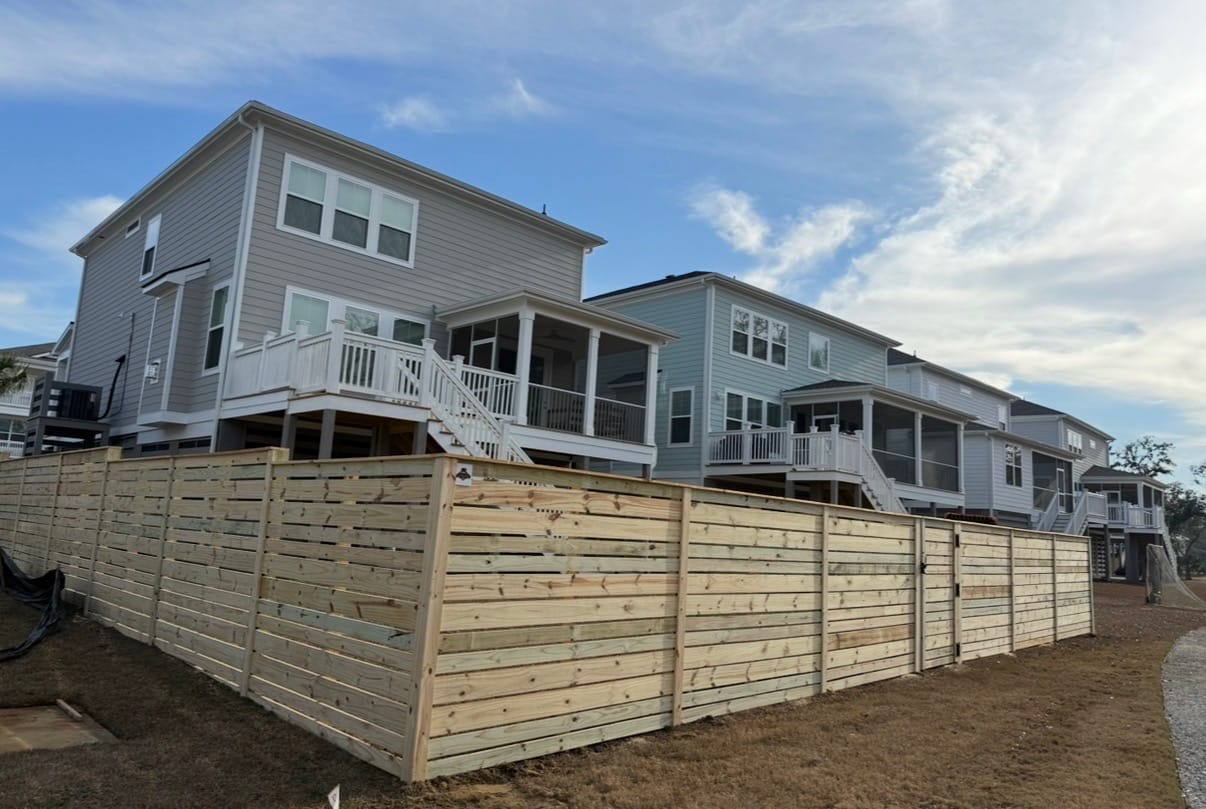
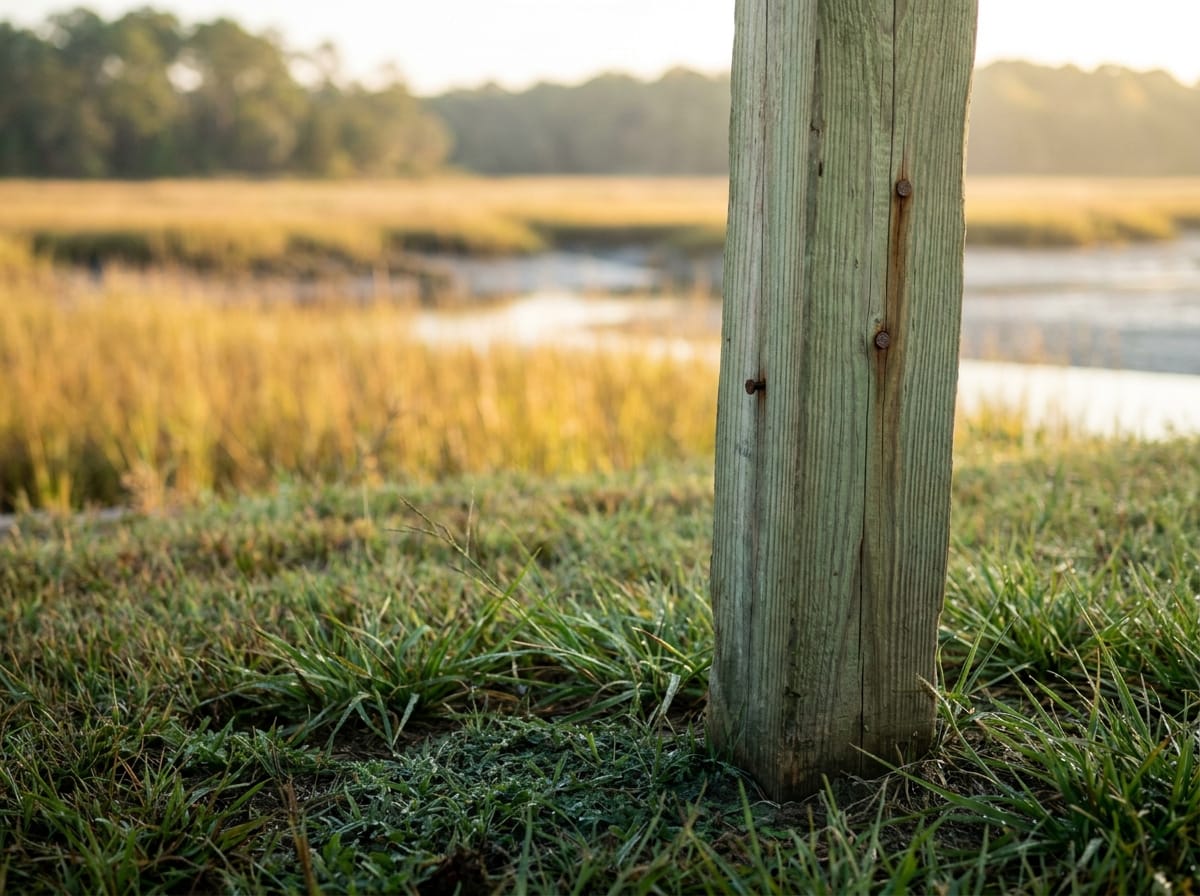
A wood fence in the lowcountry does not usually die of old age. It dies at the soil line, on the posts, while the panels above are still sound.
Why the posts go first
The bottom few inches of a post sit in ground that is wet after rain and dry a day later. That cycle is much harder on timber than either condition on its own, and it is where rot starts.
Everything above that is in air. It weathers, it greys, it may cup or warp, but it is not sitting in wet soil. This is why a fence can look tired and be structurally fine, and why another can look fine and lean over in a storm.
What actually helps
Keep soil and mulch off the boards. A flower bed banked against a fence puts the pickets into ground contact they were never rated for. Leave a gap.
Let water get away from the posts. Standing water at the base of a post is the single worst thing for it. If a stretch of the line holds water after rain, that stretch will fail first.
Keep the sprinklers off it. An irrigation head that hits the fence twice a day is a rot machine. Turning one head is cheap.
Cut the vegetation back. Vines and shrubs against a fence hold moisture against it and stop it drying. Confederate jasmine looks wonderful on a fence and shortens its life.
Staining and sealing
A sealer slows moisture moving in and out of the wood, which reduces warping and cupping, and a stain slows the sun's damage to the surface. Both are worth doing, and neither will save a post that is rotting below ground.
Timing matters more than brand. New pressure-treated pine needs to dry out before it will take a finish — usually a matter of months, not weeks. Sealing it too early traps moisture in and does more harm than leaving it bare.
After that, expect to redo it every few years. South-facing runs weather faster than shaded ones and may want doing sooner.
Hardware
Gates are the moving part, so they are the part that wears. Hinges loosen, latches drift out of alignment, and near the water the fixings corrode.
Tightening gate hardware once a year takes minutes and prevents the slow sag that eventually stops a gate closing. If the fixings are rusting rather than loosening, they were the wrong ones — stainless or hot-dip galvanised is what belongs near salt air.
Termites
This is the lowcountry, and it is worth saying plainly: pressure-treated lumber is treated against decay and insects, but treatment is not permanent and cut ends expose untreated wood.
A fence is not usually the thing termites come for. But a fence in contact with soil and touching the house is a bridge, and it is worth not building one.
When repair stops making sense
One rotten post is a repair. A run where you can push several posts and feel them move is a fence that is going to keep asking for money. At that point replacing the line is usually cheaper over any horizon longer than a year or two — and you get to reconsider the material while you are at it.