Process · 4 min read
Lowcountry Weather and Soil Impacts on Construction Schedules
Published 23 September 2026
Learn how South Carolina rain, high water tables, and underground obstacles can shift the timeline of your fence or outdoor living project.
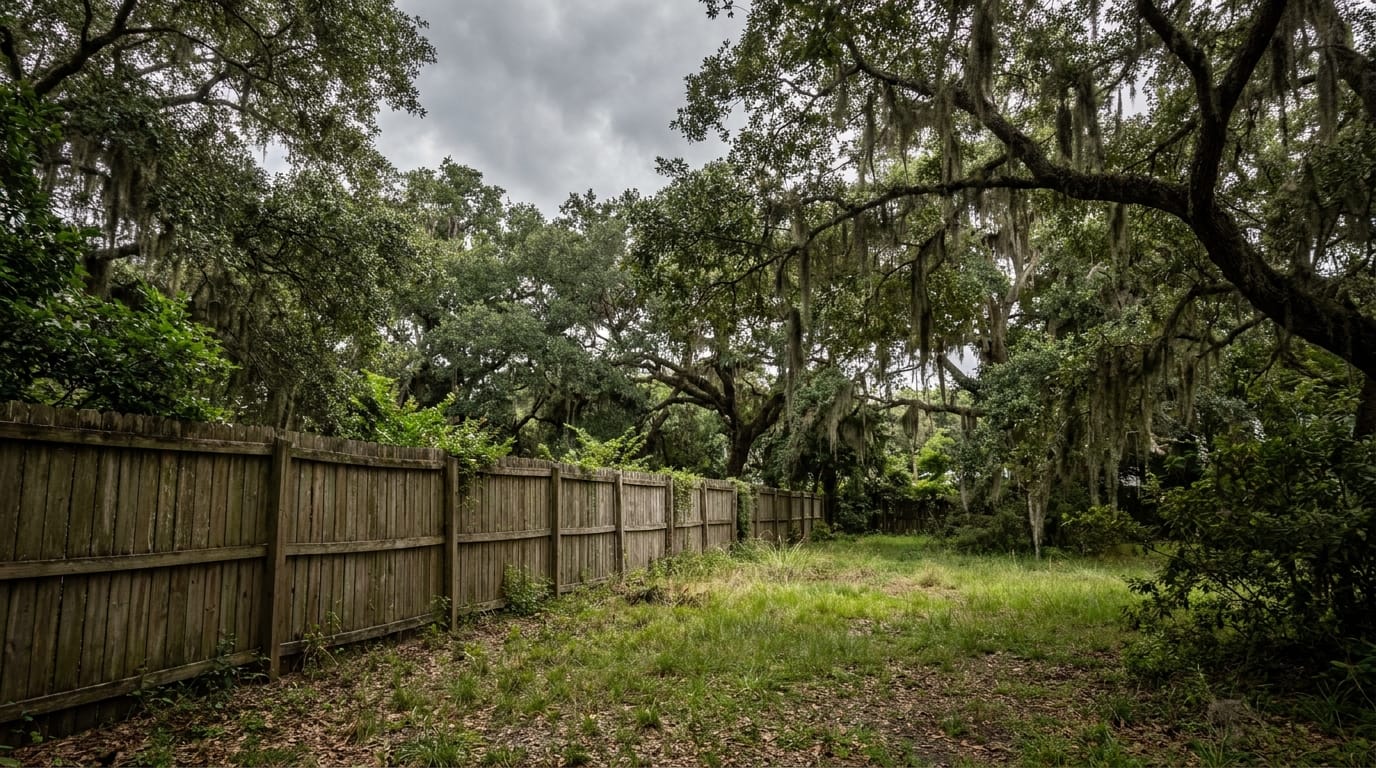
Building a fence, deck, or outdoor living space in coastal South Carolina involves working with unpredictable elements. From Charleston's high water table to Summerville's dense clay and Moncks Corner's pine forests, the ground beneath a project is rarely uniform. While every homeowner wants a fast, predictable construction process, weather and soil conditions are the two most common factors that shift project schedules.
Understanding how these natural forces affect labor, machinery, and materials can help you set realistic expectations for your installation timeline.
Rain and Wet Ground Conditions
A light drizzle might not seem like a reason to stop work, but outdoor construction relies heavily on dry soil. When we dig post holes for fences or footings for decks, the structural integrity of the hole is critical.
- Hole Collapse: In sandy Lowcountry soils, wet dirt loses its structure. Digging in wet sand often causes the walls of the hole to cave in repeatedly, making it impossible to set a post straight or at the correct depth.
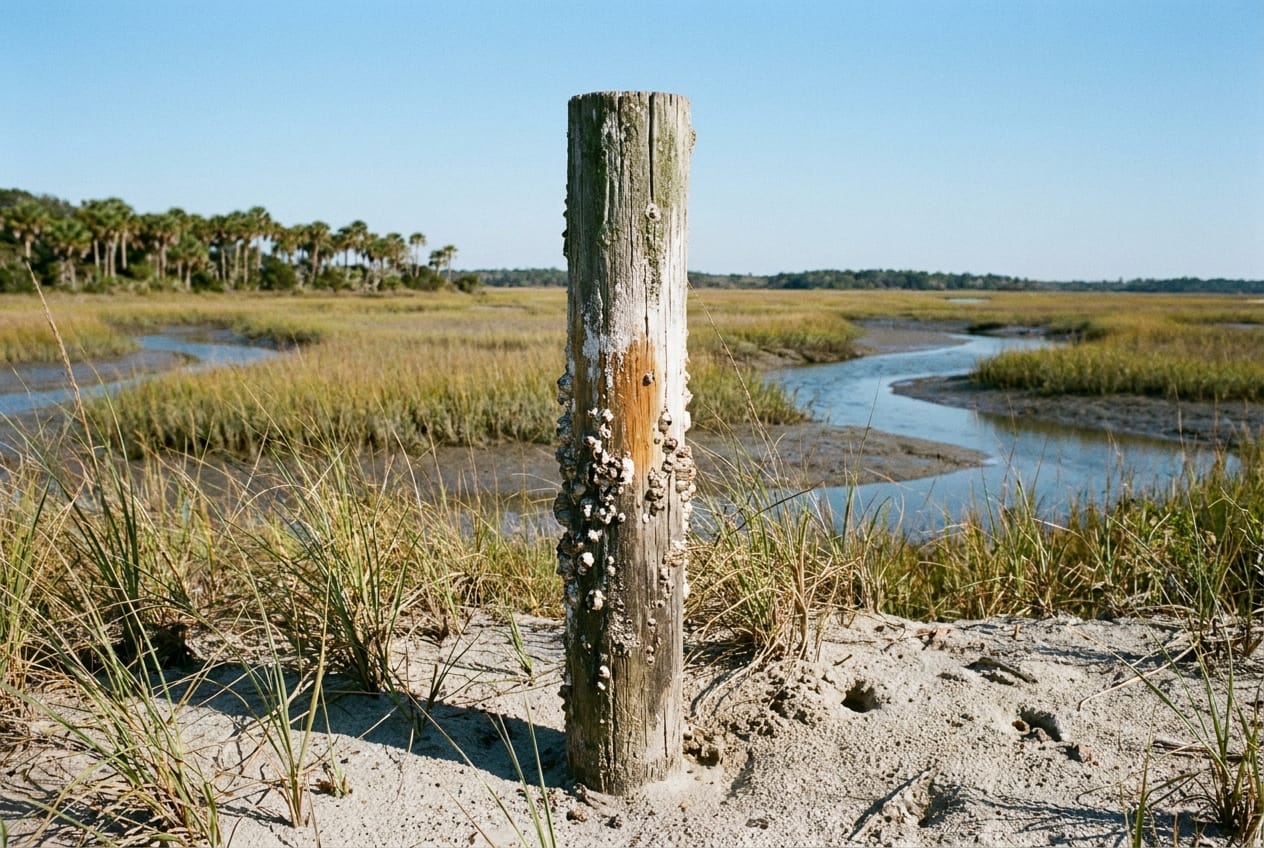
- Water Table Accumulation: In areas close to marshes or at low elevations, digging down just two feet can hit the water table. If a hole fills with water, pouring concrete directly into it can dilute the mixture, weakening the footing. Contractors must either pump the water out or wait for the water table to drop.
- Concrete Curing: Wet weather prevents concrete from setting correctly. If heavy rain falls on freshly poured concrete before it has cured, the water can wash away the cement paste, leaving a weak, crumbly aggregate behind.
Protecting Your Property from Heavy Machinery
Getting materials and equipment to your backyard requires traversing your lawn. A dry lawn can easily handle the weight of a compact skid steer, a cart of concrete, or bundles of lumber.
- Rutting and Turf Damage: When the ground is saturated, heavy equipment will sink. This creates deep ruts in your sod, tears up established root systems, and destroys landscaping.
- Soil Compaction: Operating heavy machinery on wet soil compacts the earth. This prevents grass from growing back easily and can alter the way water drains across your yard, potentially creating standing water issues where none existed before.
- To protect your property, builders will often halt work after a heavy rain even if the sun is shining, waiting for the ground to dry enough to support the weight of the equipment.
Underground Obstacles and Soil Composition
What lies beneath the surface is always a variable until digging begins. The Lowcountry has a diverse mix of soil types and buried obstructions.
- Roots and Hardwood: Live oaks, pines, and sweetgums have extensive root systems. Encountering a major root when digging a post hole requires manual clearing with axes, reciprocating saws, or specialized digging tools. This slow, physical labor can add hours or days to a project.
- Buried Debris: In older neighborhoods or newly developed subdivisions, it is common to find buried bricks, concrete chunks, old tree stumps, or construction debris. Clearing these obstructions safely takes time.
- Varying Soil Types: Sandy soil digs quickly but caves in. Clay, found in parts of Summerville and Moncks Corner, holds its shape but is incredibly difficult to dig when dry and turns into slick, unmanageable mud when wet.
Utility Location and Safety
Before any digging occurs, underground utility lines must be marked. While this is a standard safety protocol, weather can delay this step of the process.
- Marking Delays: Utility locators will not paint or flag lines during heavy rain, as the paint washes away and wet conditions present safety hazards. If the locator is delayed by weather on other sites earlier in the week, your project start date can push back.
- Local Regulations: Remember that utility marking rules, permitting timelines, and excavation laws vary significantly depending on whether you live in Charleston County, Berkeley County, or within specific city limits. Always check with local authorities or your homeowners' association regarding specific excavation guidelines.
Temperature and Humidity Effects
The extreme heat and humidity of coastal South Carolina also dictate the pace of outdoor work.
- Lumber Movement: Pressure-treated wood contains high moisture levels. When exposed to intense Lowcountry heat and sun, it dries rapidly. If left uninstalled in the hot sun for too long, lumber can warp, twist, or bow. Crews must manage material delivery and installation quickly to prevent waste.
- Crew Safety: High summer temperatures require frequent breaks to prevent heat-related illnesses. While crews work as efficiently as possible, extreme heat index days naturally slow down physical labor to ensure worker safety.
When planning your project, budget a buffer of several days into your expectations. A professional contractor prioritizes building a structure that lasts over rushing a job in poor conditions.