Process · 4 min read
Setting Fence Posts in Sandy Lowcountry Soil
Published 15 September 2026
Learn the proper depth, hole shape, and concrete techniques required to secure fence posts in the sandy soil of coastal South Carolina.
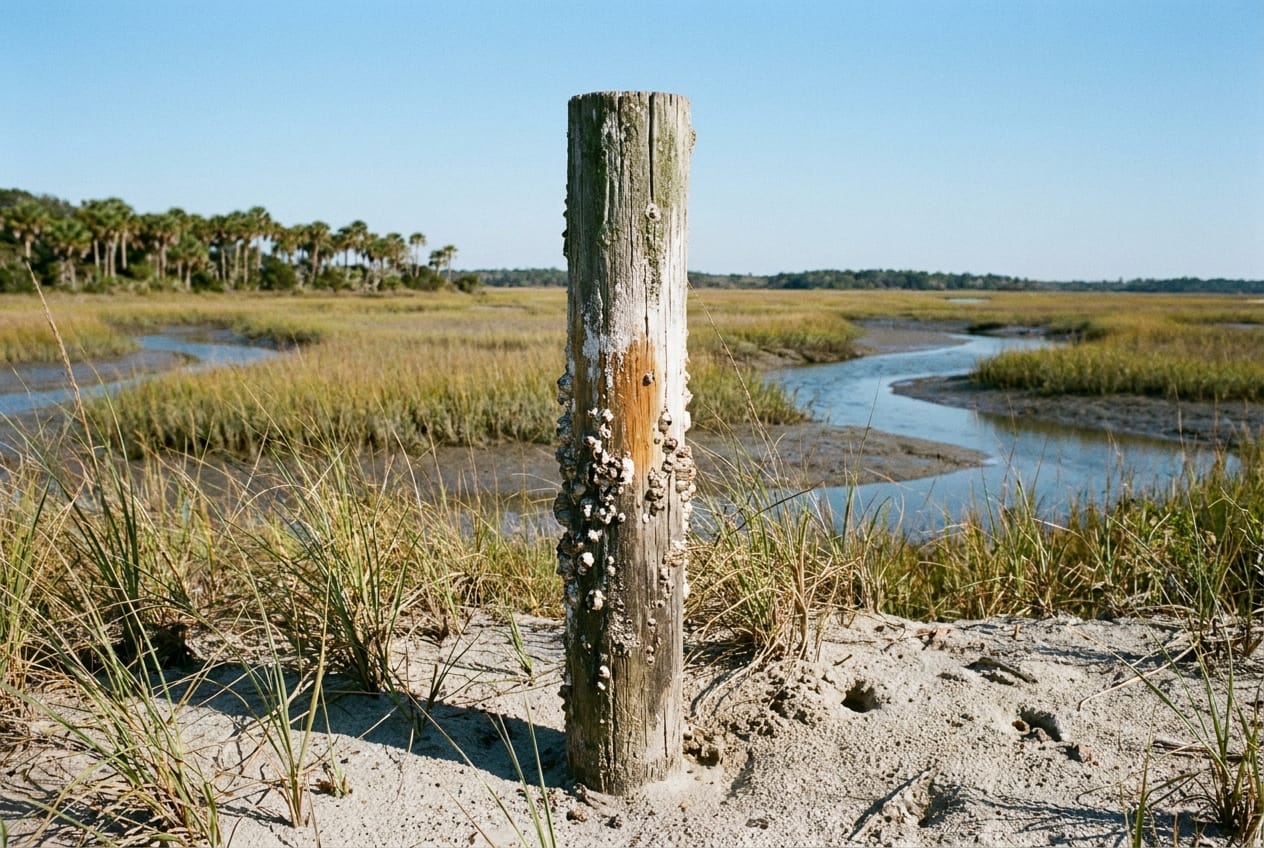
When building a fence in coastal South Carolina, the soil beneath your feet plays a massive role in how long your investment lasts. Homeowners in Charleston, Mount Pleasant, and nearby coastal areas often encounter sandy soil. Unlike clay, which packs tightly and holds its shape, sand is loose, shifts easily under pressure, and offers less lateral resistance.
This lack of friction means that a fence post set in sand is more susceptible to leaning, especially when subjected to the high winds common to our region. To ensure your fence remains straight and stable through seasonal storms and daily use, you must adjust your digging depth and installation techniques.
The Standard Depth Rule for Sandy Soil
The general rule of thumb for standard soil is that one-third of the total post length should be underground. For a standard six-foot-tall fence, this means digging a hole that is at least 24 inches deep. However, in sandy conditions, this standard depth is often insufficient.
For a six-foot privacy fence in sandy soil, a depth of 30 to 36 inches is highly recommended. This extra depth reaches denser, more compacted soil layers and provides the necessary leverage to resist the forces of wind pushing against the fence panels. Gate posts, which bear the constant weight and movement of swinging gates, should go even deeper—often 36 to 42 inches down—depending on the weight of the gate material and the width of the opening.
Why Hole Shape Matters in Sand
In firm clay, you can dig a straight, cylindrical hole. In sand, digging a clean cylinder is difficult because the walls tend to cave in. Furthermore, a straight concrete plug in loose sand can easily be pulled upward or tilted by strong winds.
To prevent this, professional installers use a "bell-shaped" or flared hole design. This means:
- The top of the hole is kept relatively narrow to minimize soil disruption.
- The bottom of the hole is widened, creating a bell or wedge shape.
- When concrete is poured into this cavity, it creates a wide base that acts as an anchor.
The surrounding sand presses down on the flared bottom of the concrete plug, making it extremely difficult for the post to lift or lean under wind loads.
Handling Water and Drainage
While sandy soil drains water quickly, moisture can still pool around the base of wooden posts if they are not installed correctly. Over time, this trapped moisture leads to wood rot, even in pressure-treated lumber.
To combat this, start by adding a three- to four-inch layer of gravel or crushed stone at the very bottom of the dug hole before setting the post. This gravel base allows water to drain away from the bottom of the wood rather than pooling against it. When you pour the concrete, ensure it surrounds the post but does not completely seal the bottom of the wood off from the gravel drainage layer.
Materials and Weight Considerations
The type of fence you install dictates how much resistance your posts need:
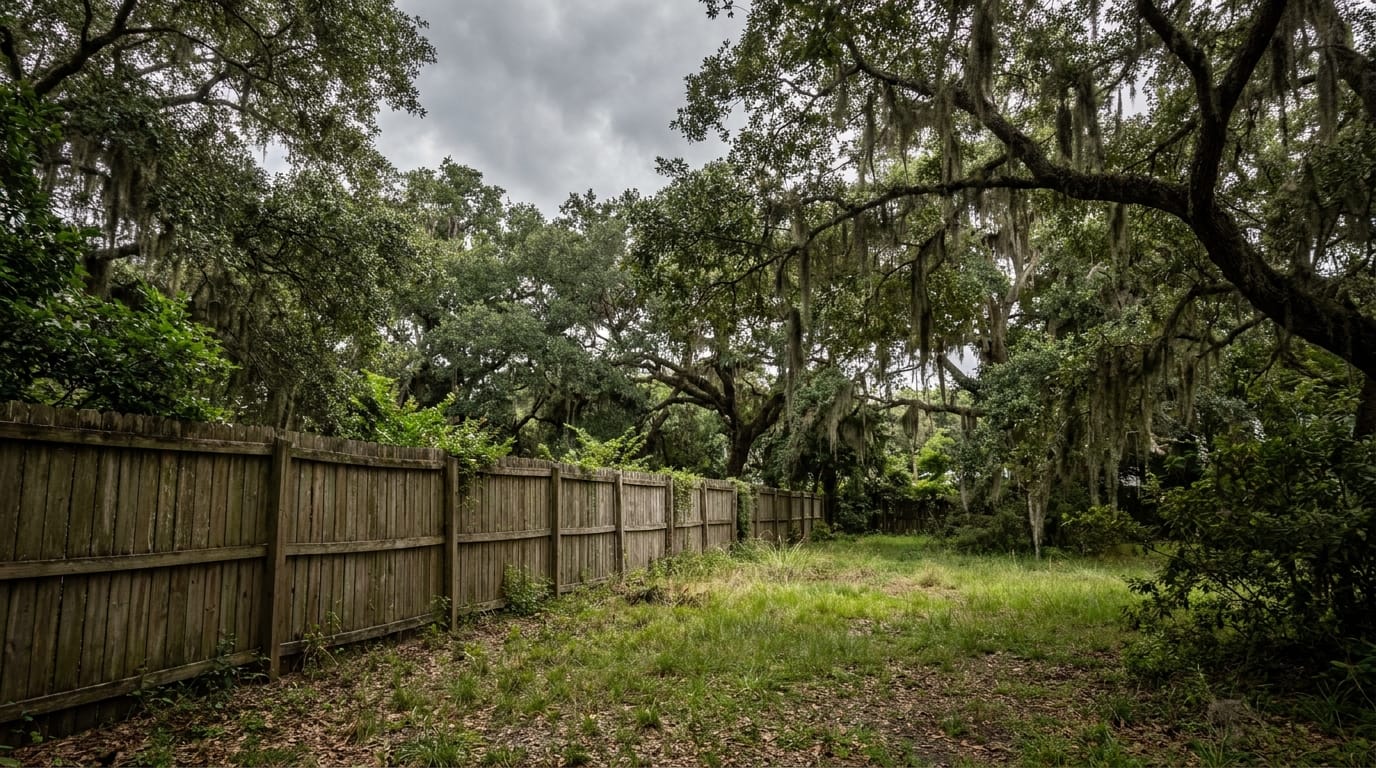
- Wood and Vinyl Privacy Fences: These act like giant sails in the wind. Because they catch so much air, their posts require maximum depth and substantial concrete footings.
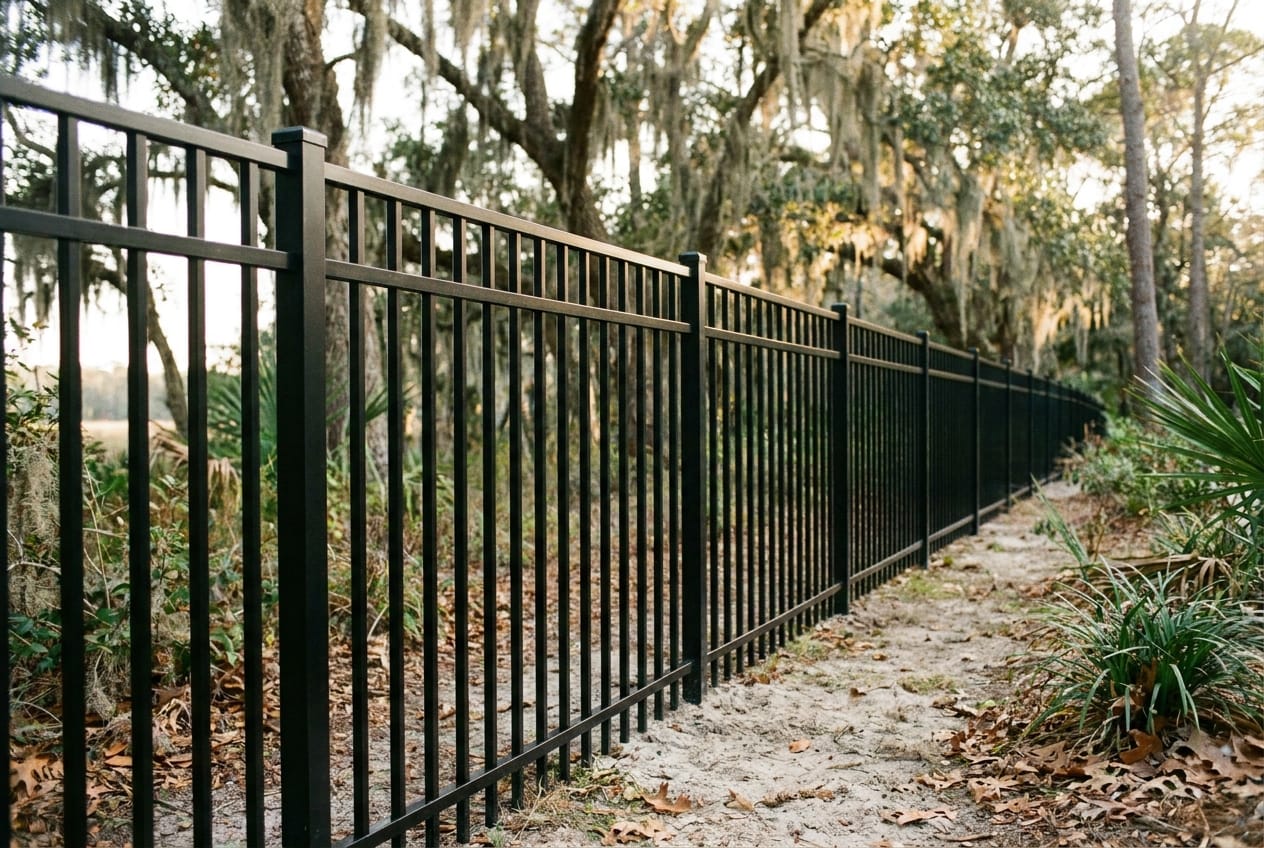
- Aluminum and Chain Link Fences: These allow wind to pass through, reducing the lateral load on the posts. While they still require solid anchoring, they may not experience the same shifting forces as a solid privacy fence.
Regardless of the material, using concrete to anchor the posts is standard practice in sand. Simply tamping loose sand back into the hole around a bare post will eventually result in a leaning fence.
Permitting and Local Regulations
Before digging any fence holes, you must consider local rules and safety guidelines. Municipalities throughout the Lowcountry—including Charleston County, Berkeley County, the Town of Mount Pleasant, and the City of Summerville—have specific rules regarding fence heights, setbacks, and wind load requirements.
Furthermore, homeowners associations (HOAs) often enforce strict guidelines regarding fence materials, heights, and placement. Because these regulations vary significantly depending on your exact address, you should always consult your local building department and HOA board before purchasing materials or digging. Additionally, always call 811 to locate underground utility lines before any excavation begins.