Process · 4 min read
Yard Preparation Steps for Fence and Outdoor Construction
Published 3 October 2026
Learn how clearing obstacles, marking utility lines, and preparing your yard can prevent delays and lower labor costs during a fence installation.
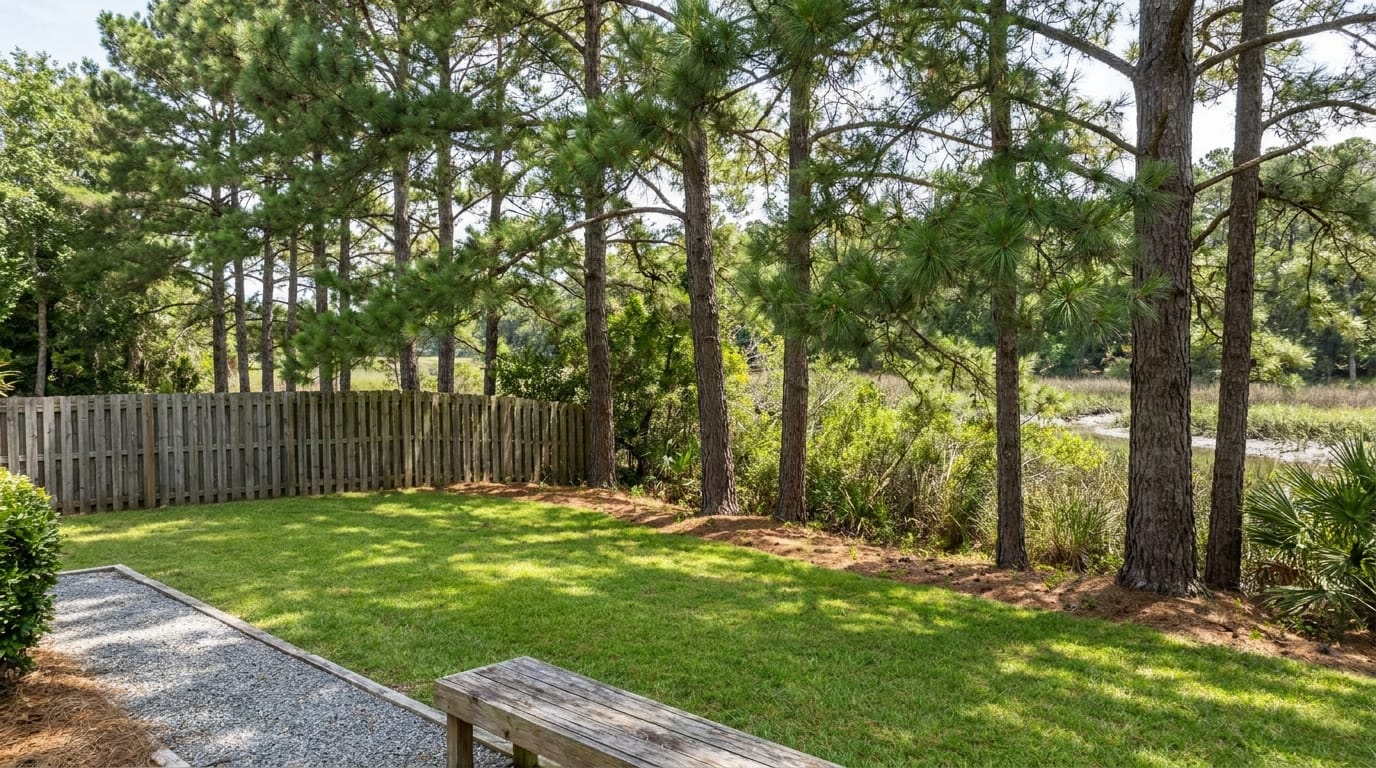
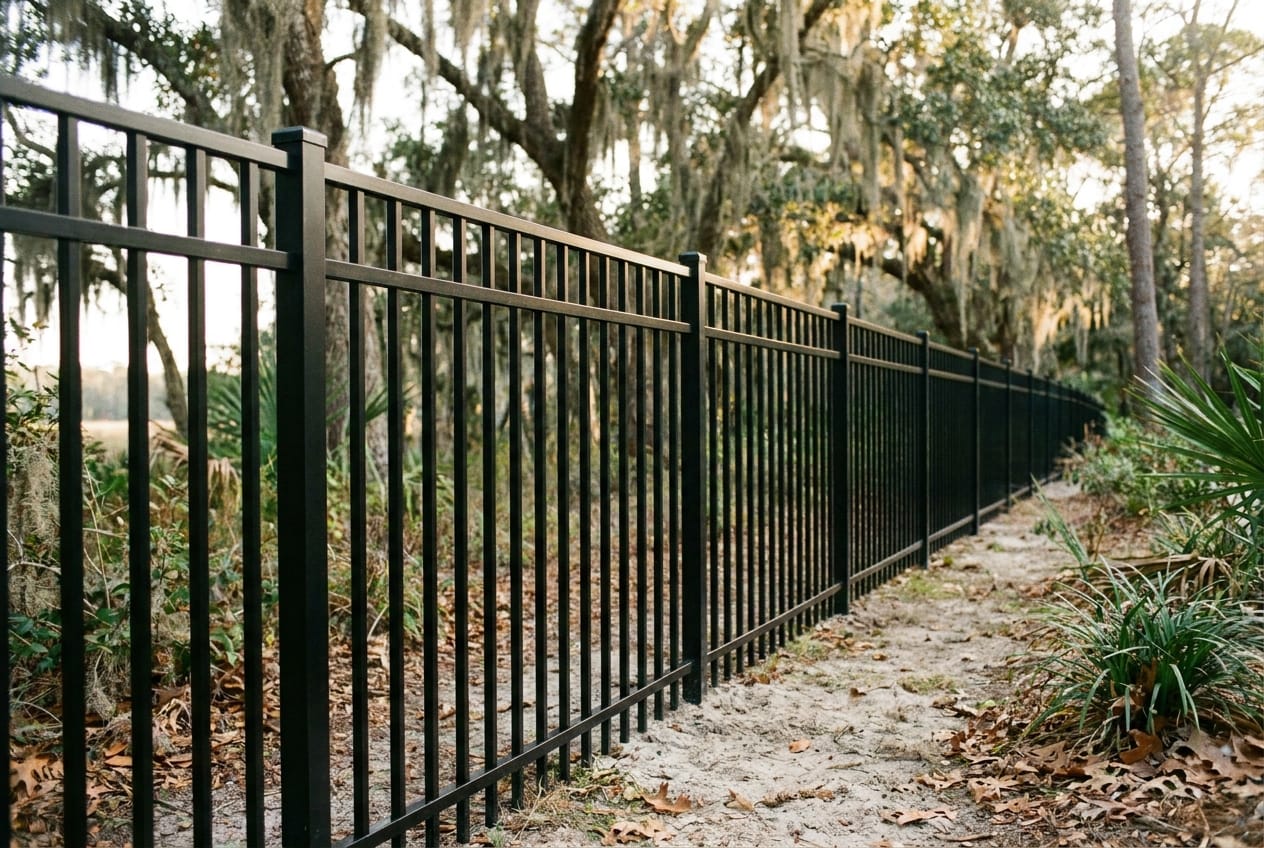
A successful outdoor construction project, whether it is a new wooden privacy fence in Mount Pleasant or an aluminum boundary fence in Summerville, depends heavily on the condition of your yard before the crew arrives. When installers must spend the first day clearing brush, moving patio furniture, or navigating around irrigation heads, it extends the timeline of your project and can increase your total labor costs. Preparing your property beforehand ensures a smoother installation and helps prevent unexpected expenses.
Clearing the Installation Path
Fence crews need a clear path to work. Ideally, there should be a cleared corridor at least three to four feet wide along the entire proposed fence line. This space allows installers to stretch string lines, dig post holes, and carry heavy materials without damaging your landscaping.
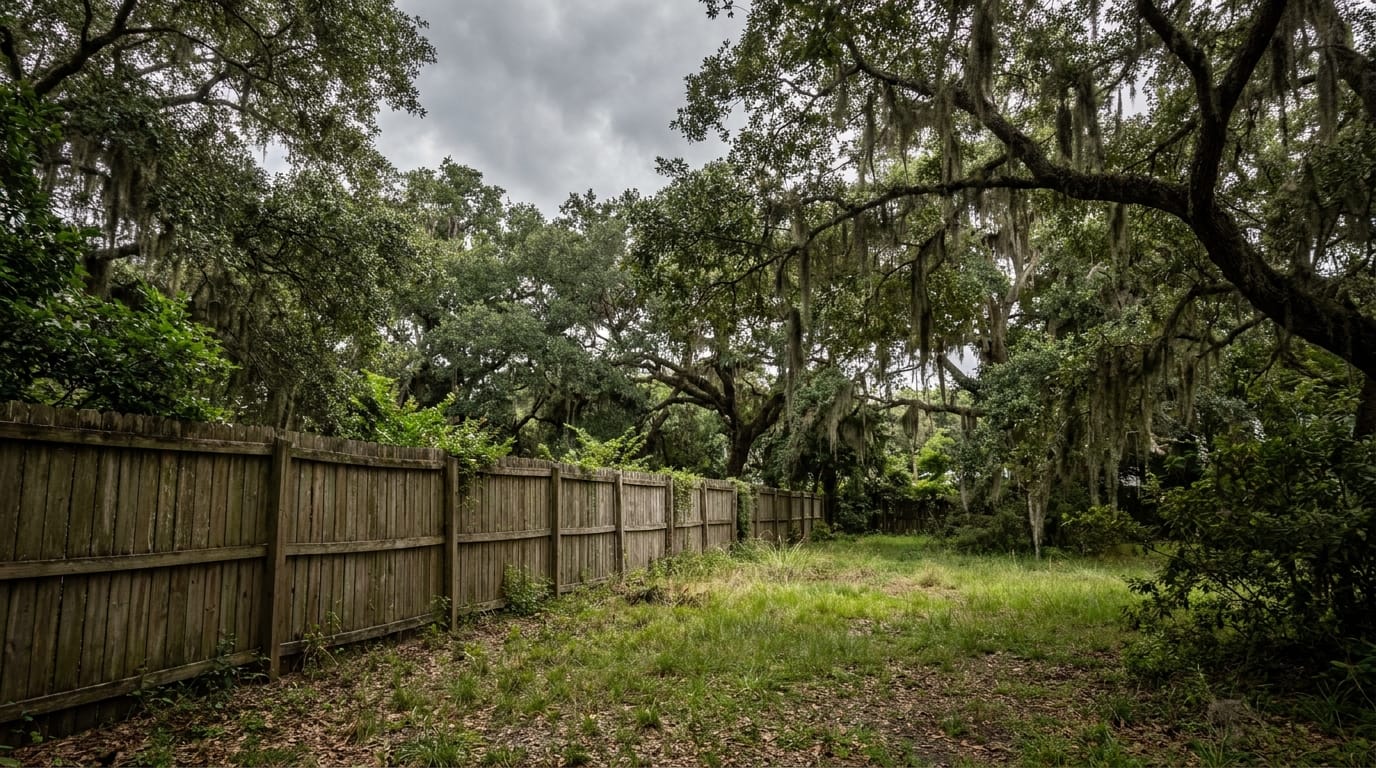
- Trim overhanging branches: Low-hanging limbs from live oaks or crepe myrtles can block post-hole diggers and scratch fence panels. Trim any branches that hang lower than eight feet within the work zone.
- Cut back dense brush: Vines, briars, and thick undergrowth should be cleared down to the ground. If our crew must clear heavy brush to access the line, it can add $300 to $1,500 or more to your project cost, depending on the density and length of the run.
- Mow the grass: Tall grass hides ground hazards like stumps, holes, and copperheads. Mowing the lawn the day before installation begins makes the site safer and allows for more accurate bottom-tension or ground-clearance adjustments.
Identifying Underground Obstacles
The coastal Lowcountry has a high water table and a dense network of shallow utility lines. Before any digging begins, underground utilities must be located and marked.
While public utility companies mark main lines for electricity, gas, water, and fiber optics, they do not mark private lines. Homeowners are responsible for identifying and marking:
- Private irrigation lines and sprinkler heads.
- Invisible pet fences.
- Low-voltage landscape lighting wires.
- Secondary lines running to detached sheds, pools, or outdoor kitchens.
If you have an irrigation system, run it the day before the installation to ensure it works, then flag every sprinkler head within five feet of the construction zone. It is common for shallow PVC water lines to run directly along property lines where fences are built. Knowing where these lines sit helps crews avoid punctures that can lead to costly plumbing repairs.
Securing Access to the Work Area
A standard fence crew arrives with a truck and trailer loaded with heavy materials, concrete bags, and machinery. They need a clear path from the driveway or street to the construction zone.
Move any vehicles, boats, or trailers out of the driveway to give the delivery truck ample room to unload. Clear a path through any existing gates or side yards. This means moving trash cans, toys, patio furniture, and potted plants out of the way. If the crew must maneuver heavy wheelbarrows of wet concrete through a narrow, cluttered side yard, the job will take significantly longer.
Confirming Property Lines and Local Rules
Building a fence on a property line requires absolute certainty. Locating your property pins before the project starts prevents legal disputes with neighbors and avoids the extreme cost of tearing down and rebuilding a misplaced fence.
If your property pins are not visible, you may need to hire a professional surveyor to mark the boundaries. Additionally, local building codes, setback requirements, and homeowner association (HOA) guidelines vary greatly across Charleston, Moncks Corner, and Awendaw. Some municipalities require specific permits or neighborhood approvals before work can begin. You should always check with your local zoning office and HOA board to verify rules regarding fence heights, materials, and exact placement relative to your property lines.
Managing Pets and Children
Construction sites are inherently hazardous. Debris, open post holes, exposed nails, and heavy equipment pose safety risks. Keep children and pets safely indoors or at an alternative location while the crew is working.
If you have outdoor dogs, make arrangements for them ahead of time. A temporary gap in your old fence or an open gate during construction means pets can easily escape. Additionally, pet waste should be thoroughly cleared from the entire work area before the crew arrives. Navigating pet waste slows down the installation process and creates an unsanitary environment for the workers.
Preparing your yard requires a small investment of time, but it directly impacts the quality and speed of your installation. By clearing the path, marking private utilities, and securing easy access, you help ensure your outdoor living project is completed on time and within your budget.