Process · 4 min read
Preparing Your Property Before a Fence Installation
Published 23 October 2026
Clearing obstacles and marking hidden utilities before a fence crew arrives prevents project delays and unexpected site costs.

Installing a new fence or outdoor structure requires open physical access along the entire build path. When an installation crew arrives at a job site, their primary focus is setting posts, leveling framework, and securing materials efficiently. If the work zone is blocked by thick brush, stored yard items, or unmapped underground lines, the timeline slows down immediately. Proper property preparation helps the job run smoothly and prevents avoidable delays or added labor fees.
Clearing Vegetation Along the Work Corridor
Overgrown brush and low-hanging tree branches are among the most common obstacles on Lowcountry properties. Dense vines, palmetto roots, and hanging oak limbs interfere with string lines used to set straight post runs.
Before installation day, clear a working corridor along the proposed fence line. A good standard is to clear at least three to four feet of space on both sides of the fence path, as well as overhead clearance up to eight feet.
- Trim back low tree branches that extend into the boundary zone.
- Cut down heavy vines, briars, and thick brush along the line.
- Clear away heavy pine straw, mulch piles, or leaf build-up sitting directly over the post locations.
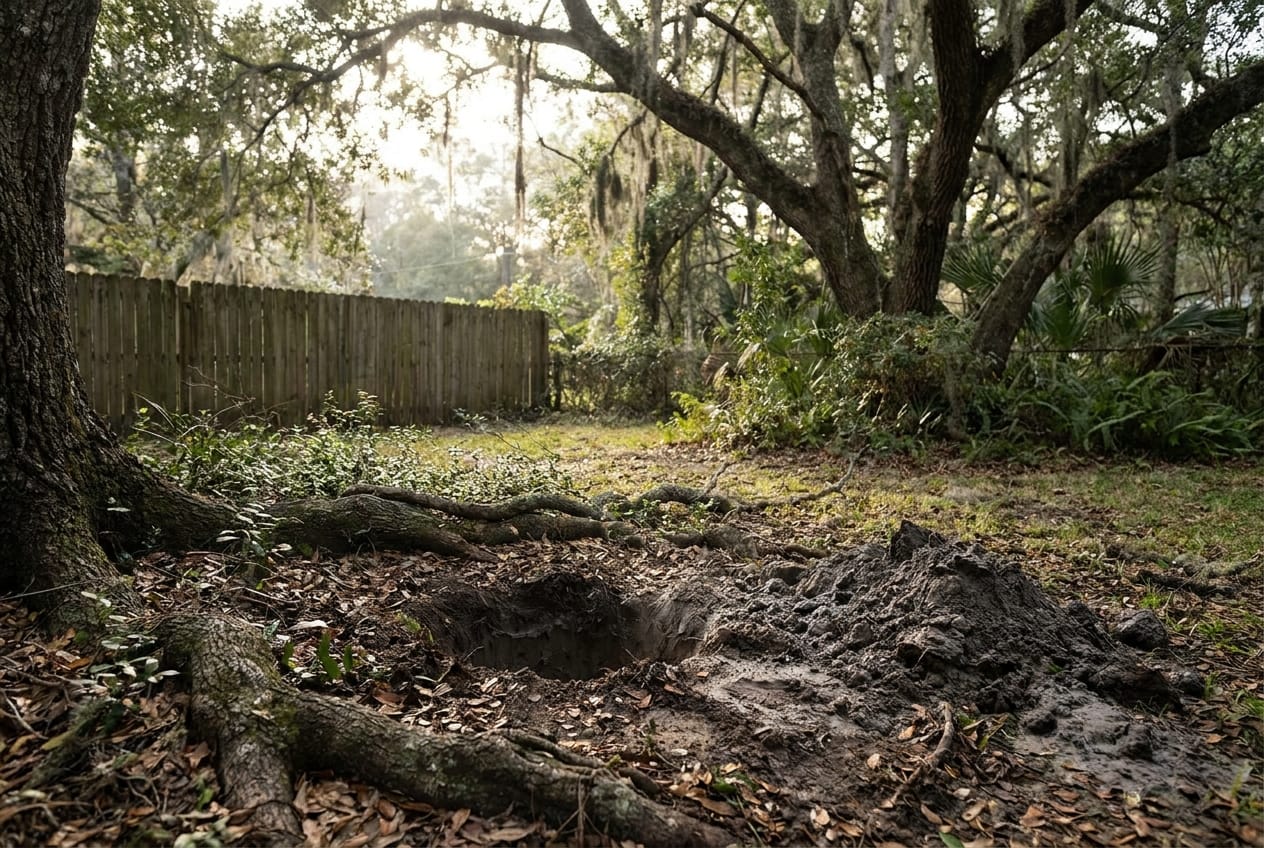
If roots or large stumps sit directly where a post needs to be set, let the crew leader know beforehand. Removing major stumps or heavy roots may require specialized digging tools or adjustments to post placement.
Clearing Property Access and Staging Areas
Crews need a clear path to haul concrete bags, heavy posts, panels, and machinery from the delivery truck to the backyard. A gate that only opens partially or a narrow side yard filled with stored items can delay the start of work.
Take time to clear the walkway from the driveway or drop zone to the installation area. Move any objects that block standard push carts or wheelbarrows.
- Relocate lawn furniture, grills, fire pits, and potted plants away from the work zone.
- Store garden hoses, extension cords, lawn mowers, and children's toys out of the way.
- Move trash cans and recycling bins away from access gates.
If you have delicate landscaping, hardscaping, or lawn features along the access route, point them out to the crew before work begins so they can plan around them.
Identifying Underground Utilities and Private Lines
Digging post holes without knowing what lies underground poses safety risks and causes property damage. Public utility companies usually mark main gas, electric, water, and fiber optic lines when notified, but they do not mark private underground lines.
Homeowners are responsible for identifying private utilities buried on their property. Common private lines include:
- Lawn irrigation lines and sprinkler heads
- Invisible pet containment fencing
- Low-voltage landscape lighting wires
- Drainage pipes and French drain runs
- Power lines running to detached sheds, workshops, or pool pumps
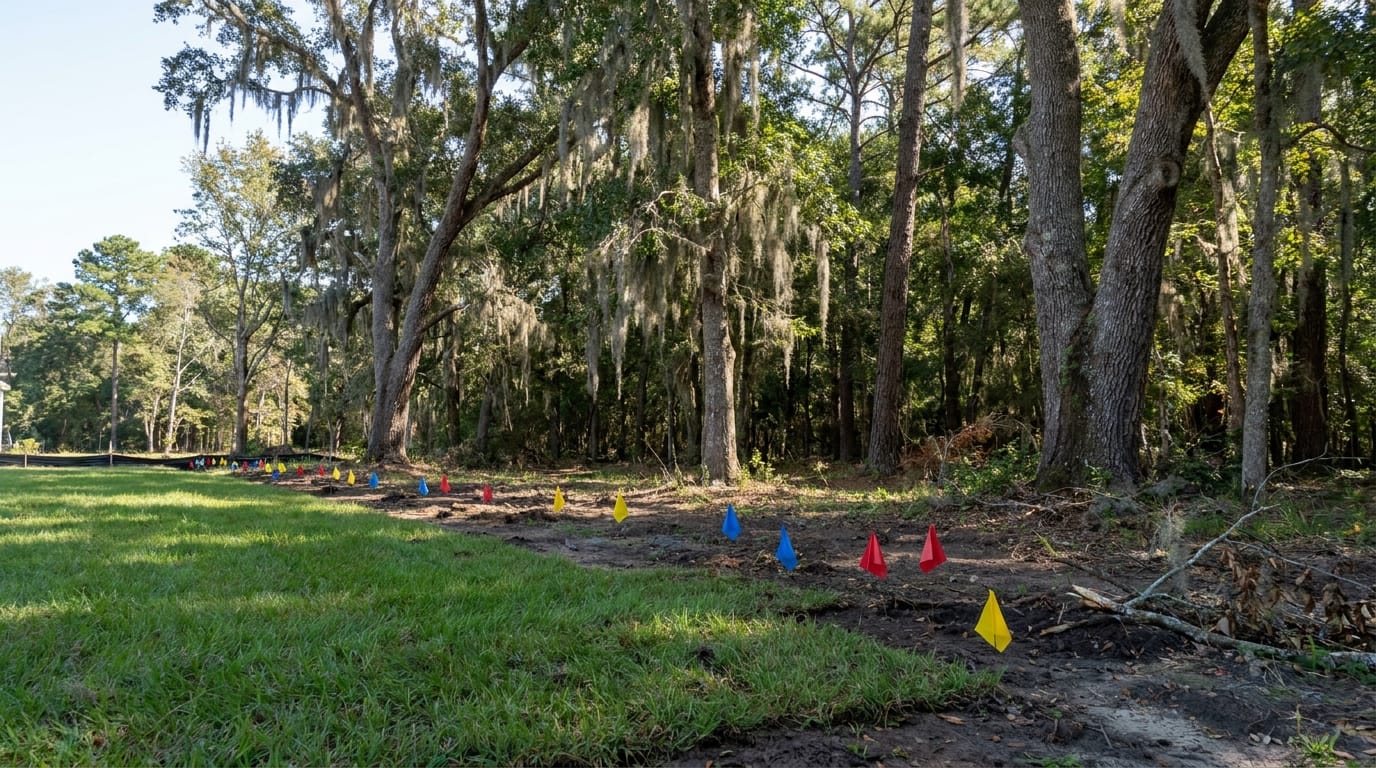
Mark irrigation lines and hidden wires with lawn flags or high-visibility spray paint before work starts. If you are unsure where private lines run, capping sprinkler heads near the post line or turning off irrigation zones during construction can prevent accidental water leaks. Repairing cut irrigation lines typically costs between $100 and $300 depending on the damage and site conditions, while electric repairs can cost significantly more.
Managing Pets and Site Hygiene
Construction sites can be dangerous for domestic animals, and open gates during old fence removal create escape risks. Make sure all pets are kept safely indoors or off-site for the duration of the installation process.
Additionally, clear all pet waste from the work area and access paths prior to the crew's arrival. Stepping in or digging through pet waste creates unsanitary working conditions and delays post-hole excavation.
Property Boundaries and Permitting Requirements
Setting posts across property lines can result in legal disputes or expensive fence relocation. Locating property corner pins or reviewing a professional land survey before setting the build line ensures the fence stays strictly on your land.
Permit requirements, property setbacks, maximum height restrictions, and style mandates vary significantly depending on whether your property falls under municipal, county, or homeowners association jurisdiction. Always verify local code rules and obtain any necessary HOA approvals or municipal permits prior to starting construction.
Avoiding Unexpected Preparation Charges
When a crew must spend hours clearing dense brush, moving stacked materials, or digging through unexpected debris before starting their actual work, additional labor costs are applied. Hand-clearing brush or removing heavy obstacles typically incurs site labor fees ranging from $50 to $100 per hour per worker, depending on site difficulty.
Taking a few hours to clear the work path, identify buried private lines, and secure access routes ensures the crew can begin work immediately and complete your project without avoidable charges or delays.