Maintenance · 4 min read
Removing Mildew From Fences Without Damaging Wood Stains
Published 27 October 2026
Low country humidity creates heavy mildew on fences, but harsh chemicals and high pressure can ruin your wood stain or paint.
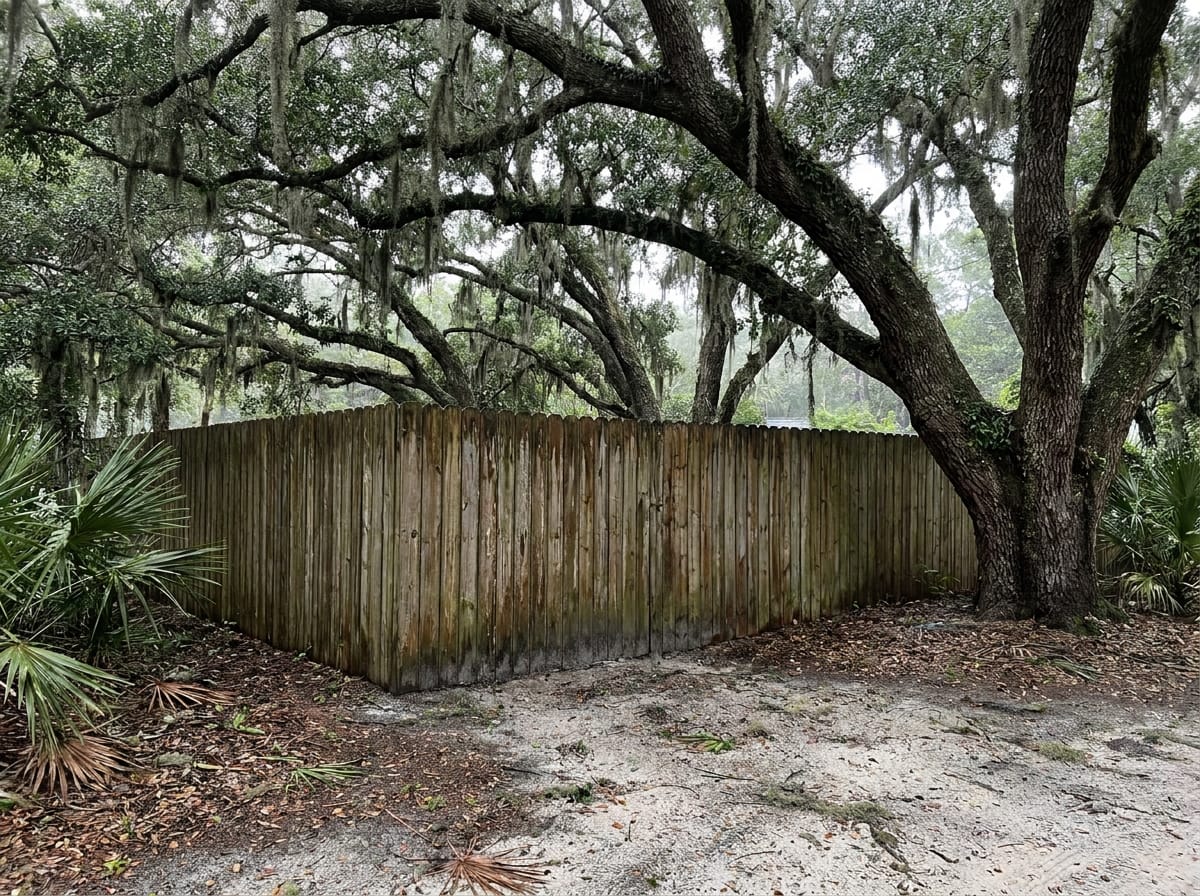
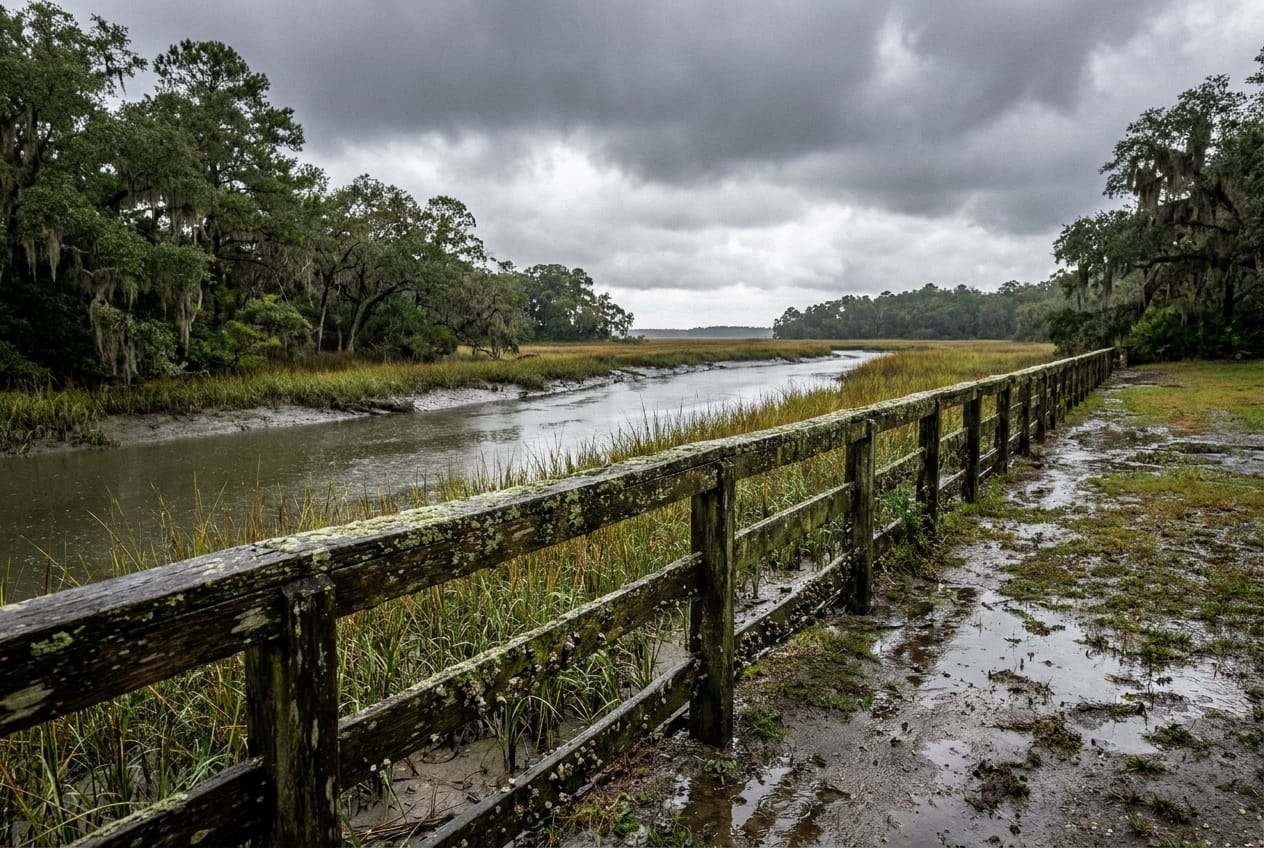
Humidity and shade in coastal South Carolina create ideal conditions for mildew growth. Within a few seasons, a clean wooden or vinyl fence can develop dark black streaks or green velvet patches. Many homeowners react by turning to a high-pressure washer or concentrated chlorine bleach to clear the growth quickly. While these aggressive methods clear the mildew, they frequently strip oil-based stains, etch paint, and gouge soft wood fibers. Removing organic growth without stripping your fence finish requires a controlled approach that balances chemical cleaning with low-pressure washing.
Understanding How Mildew Affects Fence Finishes
Mildew is a surface fungus that thrives on moisture, shade, and trapped organic dirt. On a stained or painted fence, the fungus rests on top of the protective clear coat or pigment layer before slowly rooting into any microscopic cracks in the finish.
If left untreated, mildew traps moisture against the wood surface. Over time, this moisture accelerates natural wood rot and breaks down the chemical bonds in oil and water-based stains. The goal of cleaning is to kill the active spores on top of the wood without dissolving the resins and oils that seal the lumber underneath.
Choosing a Safe Cleaning Solution
Standard household bleach, known as sodium hypochlorite, kills mildew quickly. However, using full-strength bleach or leaving diluted bleach on a fence too long will oxidize wood fibers and strip the tint out of semi-transparent stains.
For most stained wood fences, an oxygen-based bleach (sodium percarbonate) mixed with warm water provides a safer alternative. Oxygen bleach breaks down into water and soda ash, killing fungus without bleaching out natural wood tones or damaging surrounding lawn and garden beds.
If you choose to use traditional liquid household bleach, keep the mixture mild. A standard working solution is one part liquid bleach mixed with three to four parts water, along with a tablespoon of dish soap to help the solution cling to vertical pickets. Never mix bleach with ammonia or acid-based cleaners, as this creates hazardous chemical gases.
Step-by-Step Low-Pressure Cleaning Process
To protect your finish, avoid high-pressure water streams. Follow a methodical process using low water pressure and basic hand tools.
- Protect surrounding foliage: Saturate grass, bushes, and garden beds near the fence line with fresh water before applying any cleaning solution. Wet leaves absorb less runoff.
- Pre-wet the fence: Spray down the fence panels with clean water from a garden hose. Applying cleaners to dry, hot wood can cause the solution to soak too deeply into porous areas, creating uneven blotches.
- Apply the cleaning solution: Use a garden pump sprayer to coat the fence from the bottom panel upward. Working from the bottom prevents clean streaks from running down dry wood.
- Allow dwell time: Let the solution sit on the wood surface for ten to fifteen minutes. Do not allow the chemical solution to dry out completely on the pickets. If necessary, mist the panels lightly with water to keep them damp.
- Scrub lightly with a soft brush: Use a soft-bristle car wash brush or synthetic scrub brush attached to an extension pole. Lightly agitate areas with heavy mildew accumulation. Avoid stiff wire brushes, which scratch protective finishes and gouge soft pine or cedar.
- Rinse thoroughly: Spray the panels clean using a standard garden hose nozzle set to a medium spray or shower setting. Rinse from the top down to flush all soap, dead mildew, and dirt toward the ground.
Why Pressure Washers Damage Finishes
High-pressure washing is one of the most common causes of premature fence failure. Water delivered at pressures above 1,200 pounds per square inch can easily tear through cedar, pine, or cypress fibers. This process, known as gouging or furring, leaves the wood surface feeling fuzzy and rough.
Additionally, high pressure forces water deep behind latex paint films and strips off clear sealer coats, requiring complete sanding and refinishing to repair. If you choose to rent or use a pressure washer, use a low-pressure wide-fan nozzle (such as a 40-degree tip) and maintain a distance of at least eighteen inches from the wood.
Local Considerations and Ongoing Maintenance
In the coastal Lowcountry, humidity ensures mildew will eventually return. Pruning overhanging tree branches and cutting back dense bushes helps sunlight and airflow dry out fence pickets faster after rain.
Before starting any fence maintenance or chemical cleaning project, check your local municipal ordinances and HOA guidelines regarding chemical runoff and fence appearances. Rules regarding property maintenance, drainage runoff into storm sewers, and acceptable fence finishes vary significantly by city, county, and neighborhood association.
Regular light washings every twelve to eighteen months prevent heavy mildew accumulation, allowing you to avoid harsh chemicals and preserve your fence finish for years to come.